(un)Earthed: Experience the SETI Search Through Sound - LivestreamWhat if you could experience the SETI search through sound?The SETI Institute’s artist in residence Alfred (Daedelus) Darlington is creating (un)Earthed, a sonic experience that immerses the listener in the SETI Institute's iconic search for technosignals. Daedelus is a trailblazing artist, DJ, and producer, who has been active in electronic ...
Where: Cost: Free
SFBBO Birdy Hour Talk: How Song Sparrows Have Adapted to Life in the San Francisco BaySong Sparrows are one of the most widespread bird species across North America - but the Song Sparrows of the San Francisco Bay aren’t just any ordinary backyard bird. These birds are the only Song Sparrows equipped to survive in the harsh, inhospitable environment of the salt marsh. Each arm ...
Where: Cost: Free
After Dark Online: 500 Queer ScientistsRepresentation matters - in science and everywhere. Founded in 2018 by Dr. Lauren Esposito, 500 Queer Scientists is a visibility campaign for LGBTQ+ people and their allies working in STEM and STEM-supporting jobs - collectively, a powerful force of scientific progress and discovery. In this program, Esposito will discuss an exhibit ...
Where: Cost: Free
Micromitigation: Fighting Air Pollution with Activated Carbon - LivestreamWe would like to invite new members to join Counter Culture Labs' Micromitigation Meetup alternate Thursdays. We will be discussing ways to deploy existing adsorption technology using commodity granulated activated carbon for the mitigation of air pollution. We welcome those interested in both the environmental justice and technical engineering aspects of ...
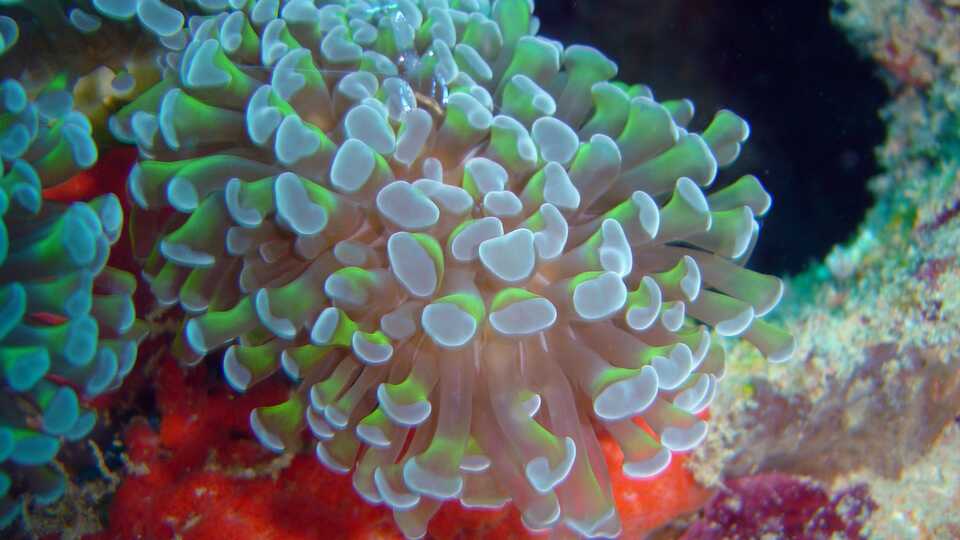
From high-res satellite images to detailed 3D reconstructions to remote-controlled underwater microscopes, coral reef research is at the cutting-edge of technology. Learn about several of these exciting projects and meet scientists and engineers finding new ways to look at these critical and complex ecosystems.Check out a digital reef with Dr. ...
Join us for this illustrated lecture given by Catherine Watters in honor of our bug-themed month of June. The artist and scientist Maria Sibylla Merian (1647-1717) was born in Frankfurt, Germany, into a middle-class family of publishers and artists. At the age of fifty-two, Merian traveled with her ...
Hematite is a ubiquitous secondary phase in fault zones. Iron is the 4th most abundant element in Earth’s crust and hematite grows in a range of shallow fault rocks due to the redox potential of diverse Fe-bearing minerals. Hematite in fault rocks exhibits grain morphologies and nano- to microscale textures ...
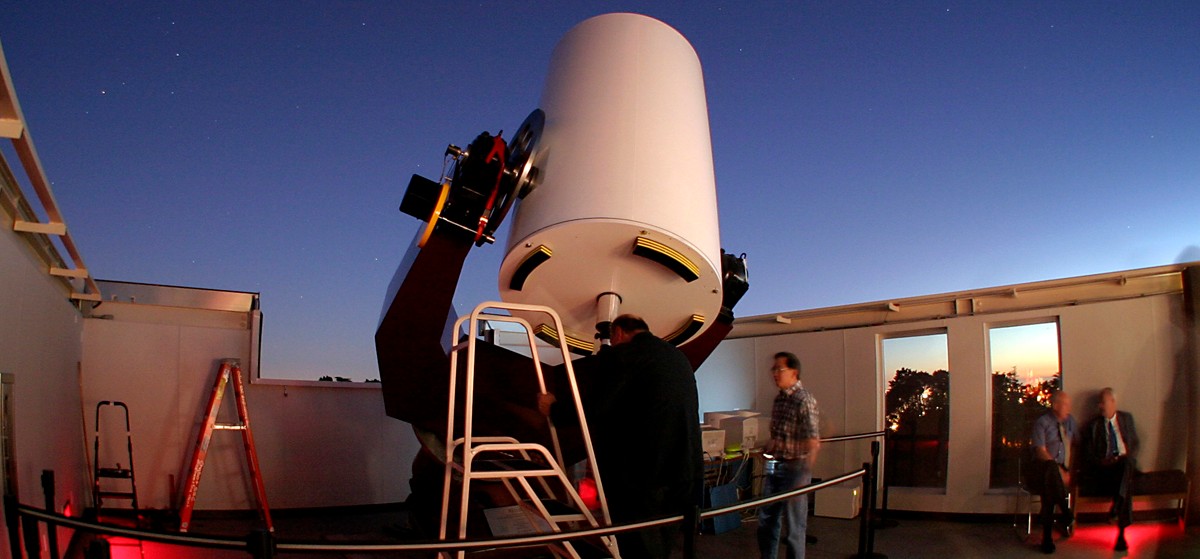
Join our resident astronomers on Facebook Live every Saturday evening live from Chabot’s Observation deck!Each week, our astronomers will guide us through spectacular night sky viewing through Nellie, Chabot‘s most powerful telescope. Weather permitting we will be able to view objects live through the telescopes and our astronomers will be ...
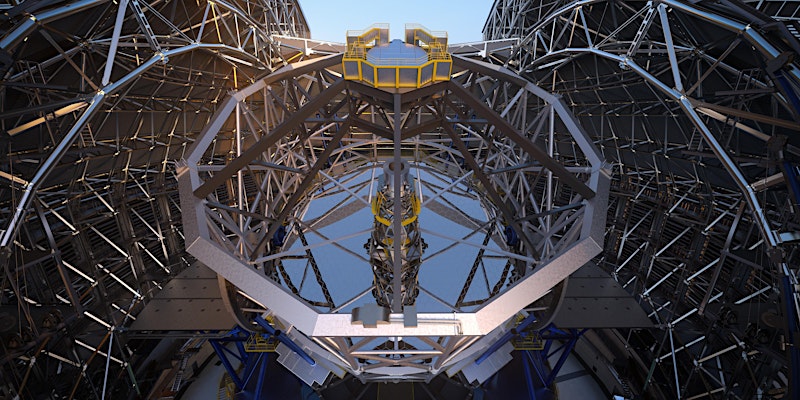
The Extremely Large Telescope is currently under construction high in the Atacama Desert in Chile. This talk will explore the incredible engineering behind the largest optical and infrared telescope in the world, introducing the science instruments we are building for it here at the Royal Observatory Edinburgh.Speaker: Sandi Wilson
Where: Cost: Free
The coming decade in quantum technology - Livestream50 years after applications from nuclear power to the circuits that make mobile phones possible, what lies ahead for the coming decade in quantum technology?Quantum technology, which relies on the principles of quantum physics, is set to usher in a new era of innovation. It will present new possibilities in ...
Where: Cost: Free
Astronomy on Tap: Los Angeles - LivestreamWe’ll hear from Dr. Britt Lundgren: “Using Gorging Supermassive Black Holes to Illuminate Distant Galaxies†and from Dr. Junhan Kim: “Exploring the Universe from the South Poleâ€. In addition, we will host interactive, astronomically-themed pub trivia.See weblink for YouTube connection.
Where: Cost: Free
Tuesday, 06/08/21
The self-assembling brain: how neural networks grow smarter - LivestreamNeurobiologists and computer scientists are trying to discover how neural networks become a brain. Will nature give us the answer, or is it all up to an artificial intelligence to work it out?Join Peter Robin Hiesinger as he explores if the biological brain is just messy hardware which scientists can ...
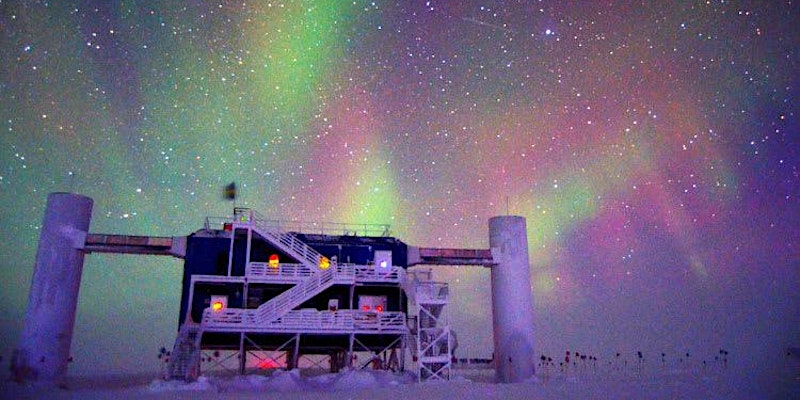
Winter is here!Join us for an extraordinary virtual presentation by scientists at the South Pole who will describe what it is like to live and work where it is dark more than 23 hours every day and where the average temperature is -50â°F.Project IceCube uses a cubic kilometer of ice ...
Where: Cost: Free
SETI Live: FRB Discovered by Allen Telescope Array - LivestreamOn May 18, 2021 the SETI Institute's Allen Telescope Array (ATA) discovered its first FRB emanating from the repeating source FRB20201124A. The detection of this bright double-peaked radio burst marks a milestone for the ATA, confirming that the newly refurbished system is working as it should. Join Simon Steel in conversation ...
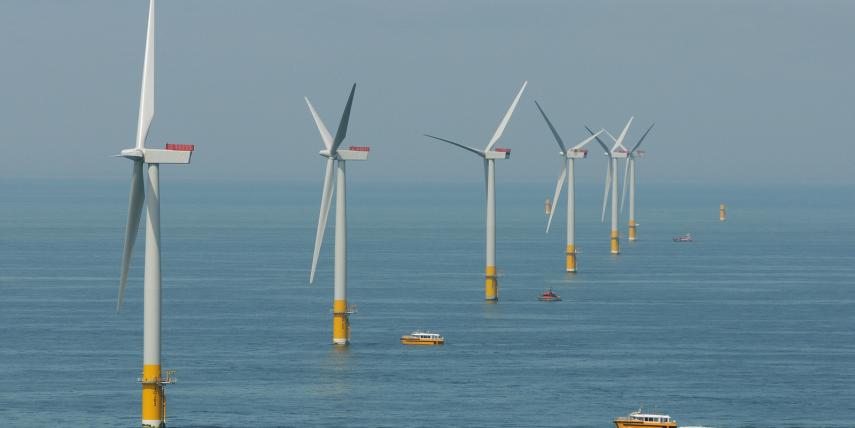
Electrification and building decarbonization are key practices to reducing our reliance on fossil fuels and reaching a more sustainable and resilient California. But adopting these practices also means managing a considerably increased load on the electric grid. Can the state meet this increased need with new sources of renewable power, ...
The Deepwater Horizon incident was the first large deep-sea oil spill. Soft-sediment benthos provide key ecosystem services and were an ecological concern following the spill. Recent publications recorded an initial opportunistic response and predicted 50 - 100 years for benthic taxonomic recovery. We present new insights into the timing and ...
Where: Cost: Free
Social Cost of Carbon - LivestreamThe social cost of carbon - an estimate of the economic harm caused by each additional ton of carbon dioxide - allows policy makers to evaluate the economic consequences of emissions and make informed decisions about climate change. Join this discussion between Energy and Resources Group professor David Anthoff, Agriculture ...
How do scientists go from OMG to PhD? How do they turn their passion for science into their profession? What advice do they have for future scientists?If you are a 5th-12th grade student, undergraduate, teacher or parent, join us to ask these questions and more in a Q&A session with ...
Periodical cicadas are known for their unique 17- and 13-year life cycles and mass emergence events. This mystery of why they would have evolved these two prime-numbered life cycles has attracted many biologists and mathematicians. Dr. Yoshimura will explore this phenomenon through a science-fiction story of the prime-numbered life cycles ...