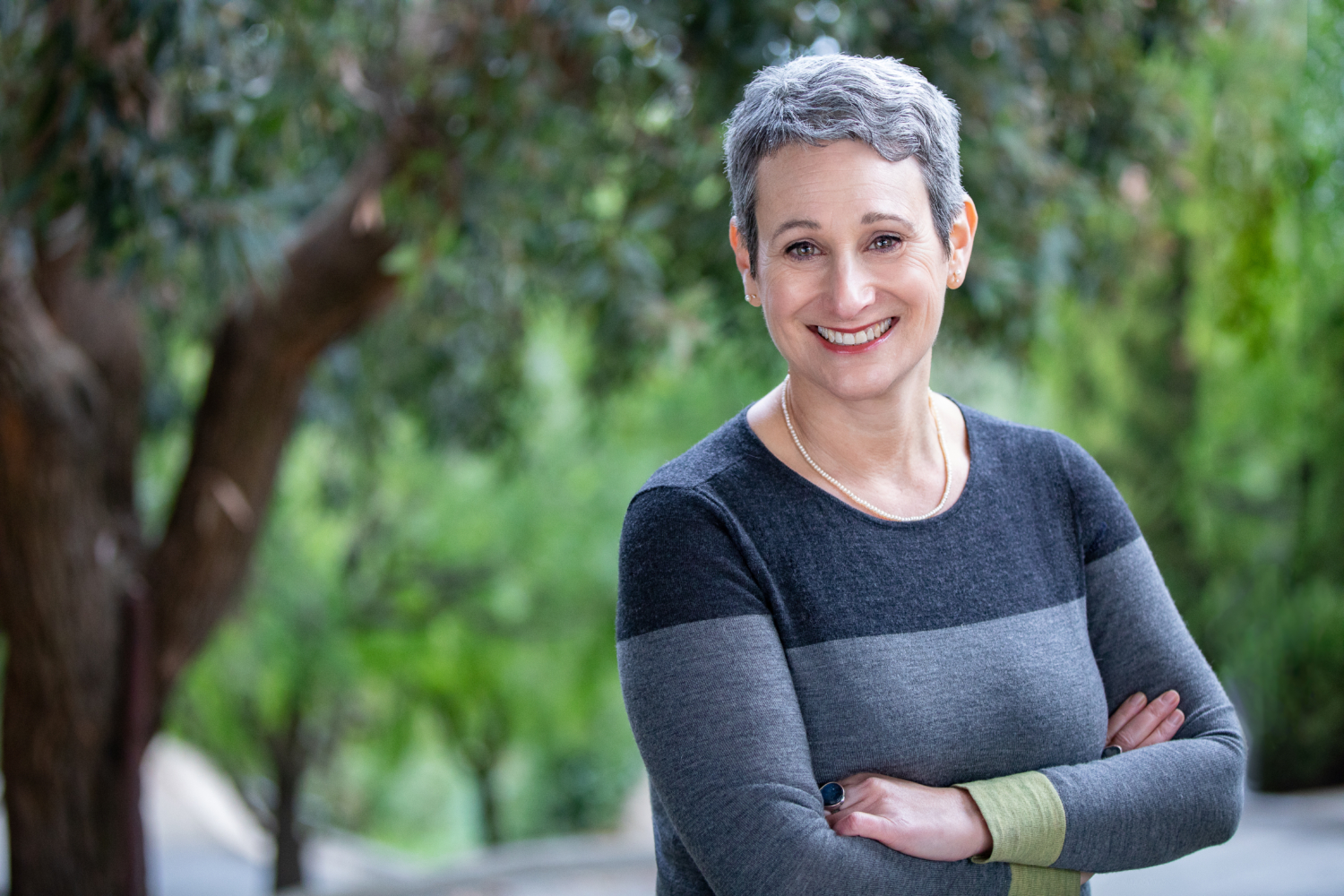
Communicating about climate change can be a rollercoaster, let’s face it. We know we need to be addressing it, and urgently, and yet the topic can be fraught, triggering and evoke strong reactions for people. As researchers, scientists, educators and concerned citizens, how can we apply best practices for engaging ...
As the COVID-19 pandemic continues, one truth continues to be proven time and time again: the vaccine is saving lives, and to Pfizer CEO Dr. Albert Bourla, it was the product of one of the most incredible private sector achievements in history. Mobilizing the corporation amid some of the most ...
How do scientists go from OMG to PhD? How do they turn their passion for science into their profession? What advice do they have for future scientists?If you are a 5th-12th grade student, undergraduate, teacher or parent, join us to ask these questions and more in a Q&A session with ...
Where: Cost: Free
Copepods through a molecular lens - LivestreamDiapause is a type of dormancy used in arthropods to enter a state of “suspended animation†that, with a delay of development, allow organisms to overcome periods of unfavorable conditions. The sub-arctic calanoid copepod Neocalanus flemingeri has been a good model for studying diapause: dormancy is obligatory and post-embryonic and ...
Where: Cost: Free
March LASER Event - LivestreamSpeakers: Summer Praetorius (USGS Geologist) on "The Heliocene"Ewa Domanska (Stanford Univ & Adam Mickiewicz Univ) on "Prefigurative Art and Micro-Utopias"Lily Xiying Yang (Virtual Reality Artist) on "Land of Illusions - Creativity and Activism in the Metaverse" Register here or here
Normal stars, like our Sun, shine because they undergo nuclear fusion, turning hydrogen into helium and converting matter into radiation. But what if a star wasn't able to fuse? What would such a "dud" look like? These were purely theoretical question until the 1990s, when the first examples of non-fusing ...