
Climate change, phenological shifts, and trophic mismatches along the river-estuary continuum
The San Francisco Estuary is a valuable “field laboratory” for studying how aquatic food webs respond to stressors. Drawing on recent work from my group, I will show how biological diversity, phenological synchrony, and energy-pathway recovery influence estuarine ecosystem resilience. Time-series analysis on long-term biomonitoring data reveals that diverse fish life histories and spatial heterogeneity provide portfolio effects that buffer fish recruitment from climatic fluctuations. Yet, phenological shifts in zooplankton and fishes are increasingly asynchronous, signaling growing potential for trophic mismatches under warming and salinity change. At finer scales, stable-isotope analyses across a chronosequence of restored marshes indicate that hydrologic reconnection alone does not immediately rebuild trophic structure: algal pathways recover quickly, but detrital pathways lag. Together, these studies highlight the importance of integrating biocomplexity, timing, and energy-flow metrics into monitoring and restoration, to sustain food-web functioning in a rapidly changing estuary.
Attend in person or watch on Zoom
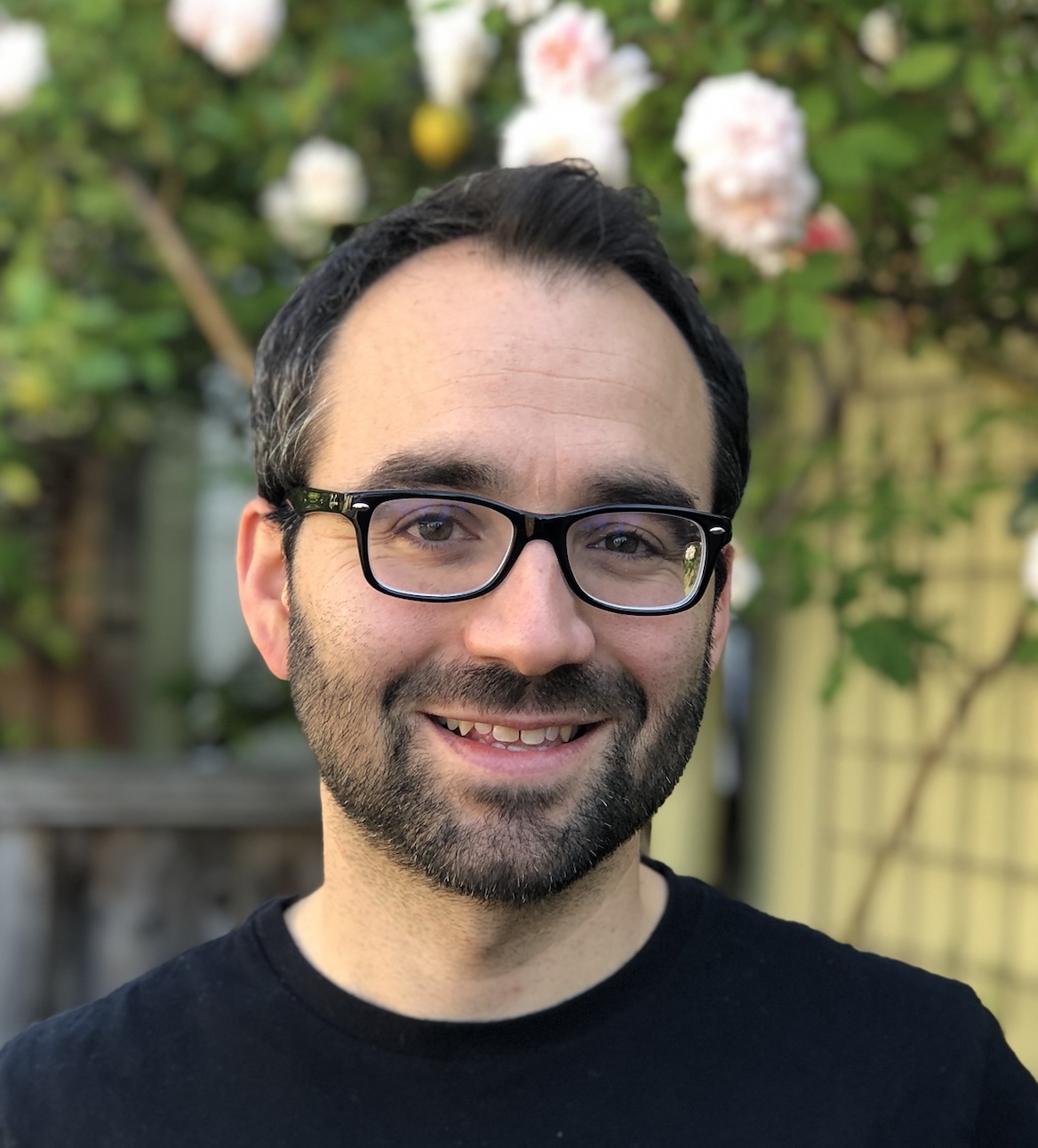
Speaker: Albert Ruhi, UC Berkeley
Wednesday, 10/15/25
Contact:
Website: Click to VisitCost:
FreeSave this Event:
iCalendarGoogle Calendar
Yahoo! Calendar
Windows Live Calendar
Estuary & Ocean Science Center


Bay Conference Center, South Bay Room
Tiburon, CA 94920
Phone: 415-33803700
Website: Click to Visit