The whole goal of physics is to explain what we observe. For centuries, physicists believed that observations yielded faithful representations of what is out there. But when they began to study the subatomic realm, they found that observation often interferes with what is being observed―that the act of seeing changes ...
Remarkable recent advances in deep neural networks are rapidly changing science and society. Never before had a technology been deployed so widely and so quickly with so little understanding of its fundamentals. I will argue that developing a fundamental mathematical theory of deep learning is necessary for a successful AI ...
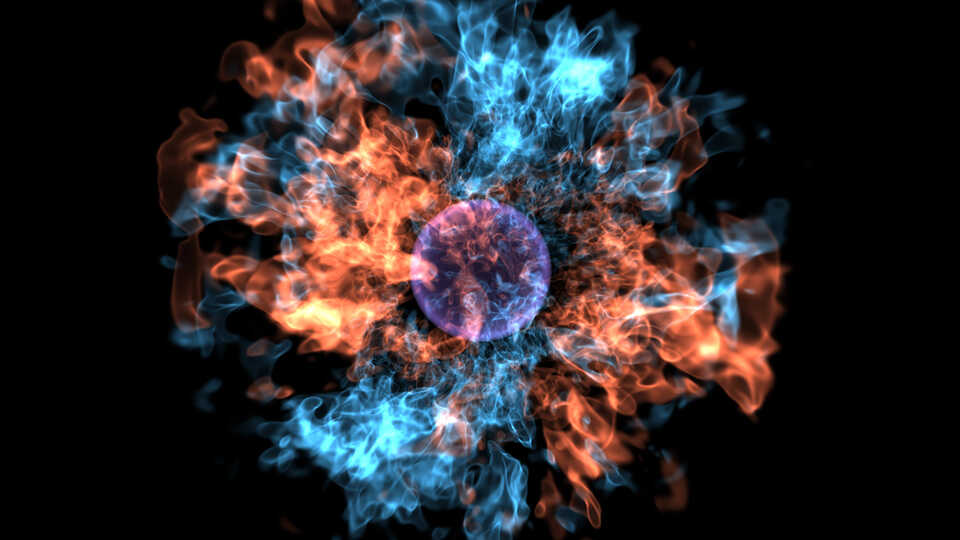
The characteristic excitation of a metal is its plasmon, which is a quantized sound wave in its valence electron density. In 1965, David Pines predicted that a distinct type of plasmon, which he named a "demon," could exist in multiband metals that contain more than one species of charge carrier. ...
Extreme weather in the wake of climate change, causing wildfires, drought and flooding, threatens to turn the American West into a region hostile to human habitation - a “Great American Desert†as early U.S. explorers once mislabeled it. Bruce Cain suggests that the unique complex of politics, technology and logistics ...
Where: San FranciscoCost: $20 General, $10 Members
Science Uncorked: Bodega Head's Northbound Geologic JourneyPairing delicious wines with delicious ideas, this series features talks by scientists from UC Davis' Coastal and Marine Sciences Institute and Bodega Marine LaboratorySpeaker: Nicole Myers
Where: Bodega BayCost: Free
Science on Tap: Fast Radio Bursts: New Transient Mysteries and How We Understand Them Supernovae! Neutron Star Mergers! What do these have in common? They are what’s known as…transients! Short, dramatic, energetic, events that occur on human timescales. Many things in the Universe take millions or billions of years to change and evolve. Transients, however, can change over seconds or years, and illuminate deep ...
Where: Santa CruzCost: Free
51st Annual Fungus FairThe Mycological Society of San Francisco Fungus Fair includes the latest collection of expertly identified fungi collected in various locations in the Bay Area. These annual collections constitute a 50-year record of the early winter fungal diversity in our area. This historical information may become an important contribution to science ...
Where: South San FranciscoCost: Varies, see weblink
The ocean's midwaters below 200 m and above the seafloor, formerly thought to be entirely devoid of life, are now thought to be home to a biomass of animals larger than in the rest of the ocean combined. These organisms, many of which vertically migrate between the twilight or midnight ...
Where: StanfordCost: Free
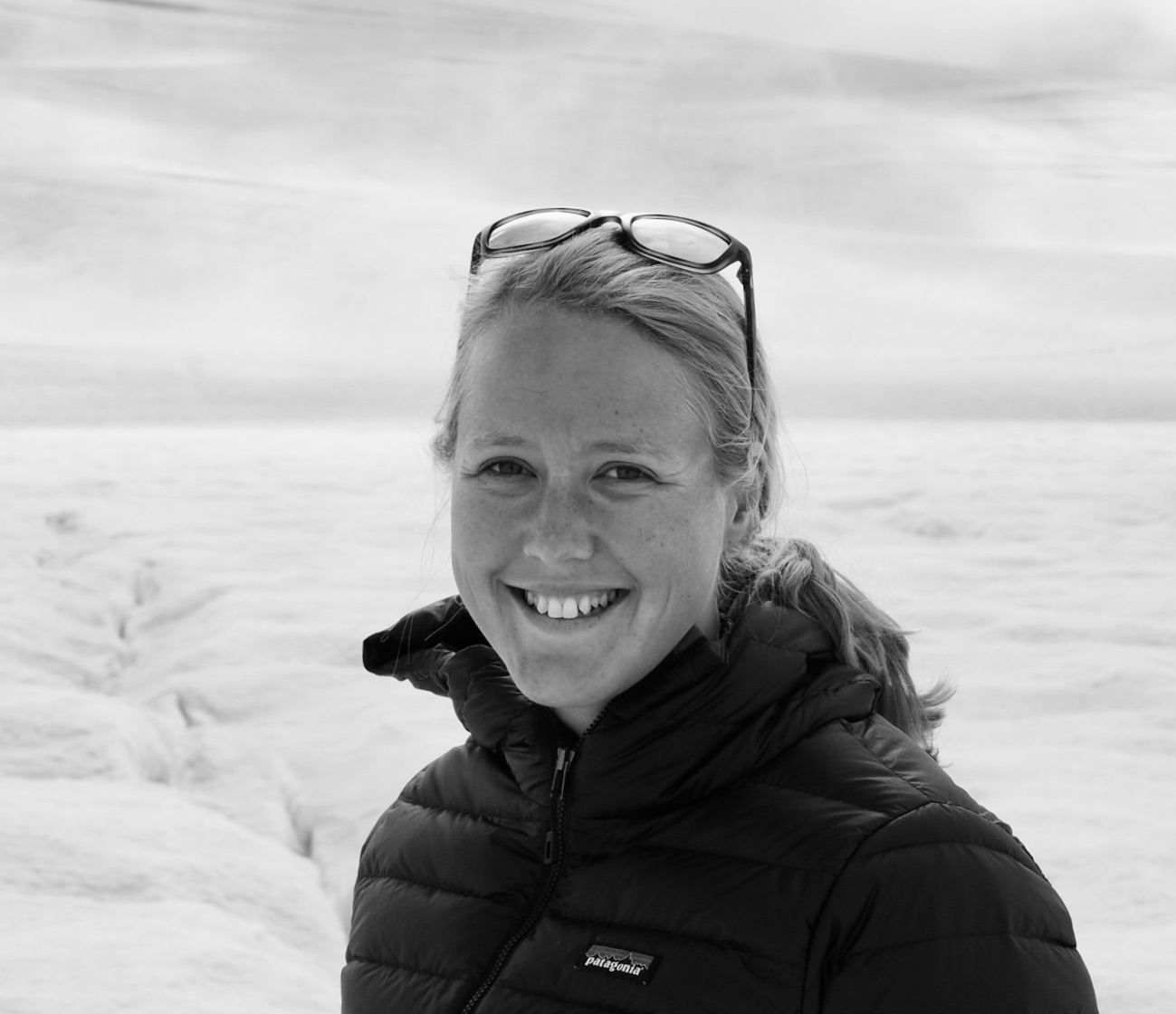
Can we (yet) predict how fast Greenland is going to melt?The Greenland ice sheet has been losing mass in response to the rapid warming of the Arctic, and is contributing to sea level rise at an increasing rate. Fluctuations in ocean and atmosphere circulations are not only affecting the amount of melting and runoff at the ice sheet surface, they ...
The growing focus on hydrogen as a promising energy carrier has been pivotal in the pursuit of net-zero emissions within integrated energy systems. As part of this endeavor, extensive research has been conducted to delve into the reliability aspects of power-gas integrated energy systems. Additionally, our study looks at optimizing ...
Where: StanfordCost: Free
Doing a lot with a little: The molecular profile of a single sensory neuron links experience with behavioral plasticityThermosensation is a critical sensory modality for all organisms. C. elegans exhibits the remarkable ability to detect temperature changes of as little as 0.01C across a 10C temperature range, and exhibits experience-dependent thermosensory behaviors. Thermosensation in the innocuous temperature range is mediated primarily by the single AFD sensory neuron pair. ...
Where: BerkeleyCost: Free
The Science Behind Science Fiction: To Boldly GoJoin us for an exciting event where we explore the fascinating connection between science and fiction! Dive into the world of sci-fi as we unravel the mysteries behind "To Boldly Go: How Nichelle Nichols and Star Trek Helped Advance Civil Rights." Immerse yourself in a thought-provoking discussion led by renowned ...
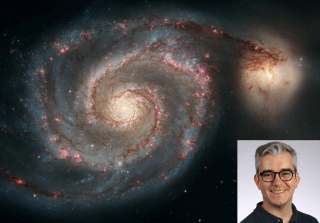
Join the NASA Night Sky Network along with Dr. Travis Fischer from Space Science Telescope Institute, where we will explore the nature of active galaxies, including their energetic processes and the role they play in shaping the universe we see today.Active galaxies are some of the most fascinating objects in ...
Where: San FranciscoCost: $19.95 General, Free for members
NightLifeCalling all creatures of the night: explore the nocturnal side of the Academy at NightLife and see what's revealed. With live DJs, outdoor bars, ambiance lighting, and nearly 60,000 live animals (including familiar faces like Claude, our alligator with albinism), the night is sure to be wild.Step inside the iconic ...
Where: San FranciscoCost: Varies
Six Eruptions at Two Volcanoes Over the Past Three Years - LivestreamHow the Hawaiian Volcano Observatory monitors some of Earth’s most active volcanoesby Katie Mulliken, Geologist, Research Corporation of the University of Hawai‘i and USGS Hawaiian Volcano ObservatoryThe Hawaiian Volcano Observatory (HVO) is the oldest volcano observatory in the United States, founded decades before Hawaii became a state!Hawaii’s volcanoes erupt frequently; during the ...
Where: Cost: Free
Faster! Catching up to Electrons on the MoveElectrons are tiny particles that hold together the atoms in molecules. When sunlight interacts with a molecule, it first transfers its energy to the electrons. Then, as the electrons move, the molecule changes form, reshaping itself or even breaking apart. We do not fully understand how electrons affect the molecules ...
The Milky Way’s hot stars generally form in open clusters within the thin disk. However, there are a small number of early-type stars that are observed at high altitudes above the disk and were likely ejected from their birth clusters within the past few million years. My student Brandon Schweers ...
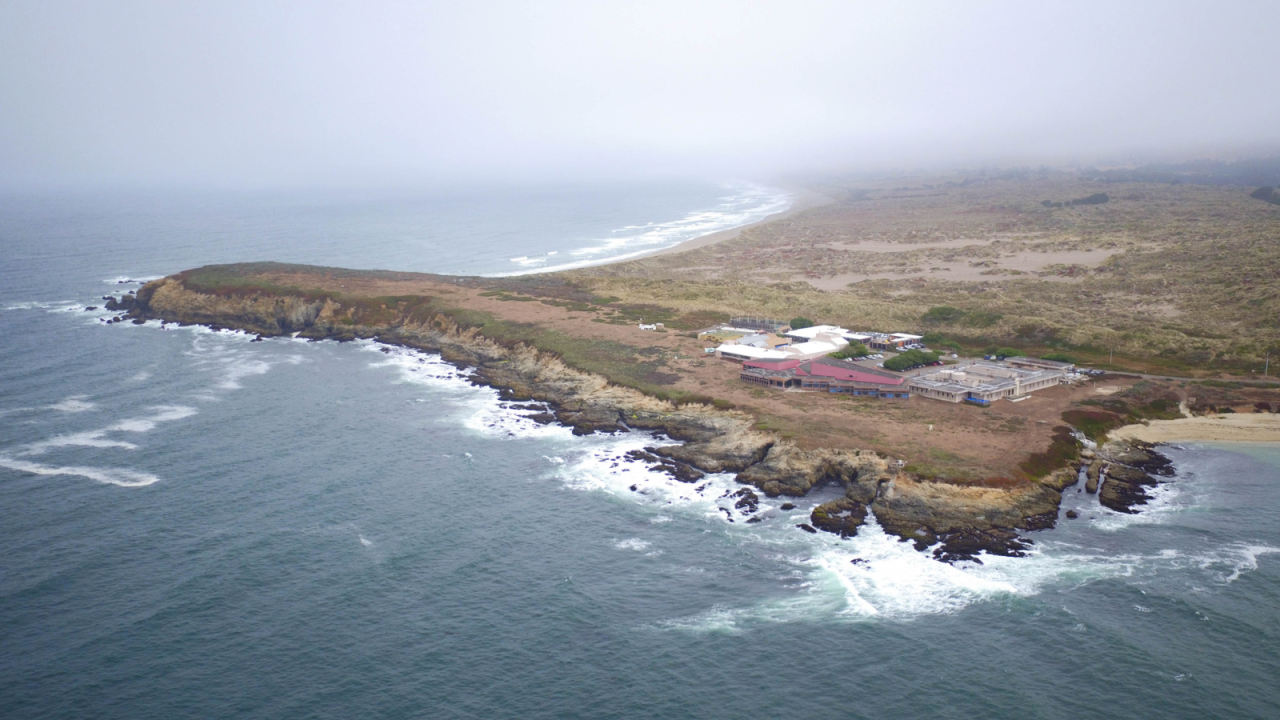
These tours are led by our wonderful crew of ocean-loving docents, and visitors will learn about ongoing marine and coastal science research at Bodega Marine Laboratory and its history on the Sonoma Coast. Plus, you'll get to meet a variety of colorful and diverse ocean creatures.The front gates will be ...
Where: Bodega BayCost: Donations suggested
First Friday: Light Up the NightDespite December being the darkest month of the year for the Northern Hemisphere, it is a time to light up the night with a celebration of different cultures. For First Friday: Lights Up the Night, join us at Chabot Space & Science Center for an evening filled with exciting hands-on ...
Where: OaklandCost: $15 General, $10 Kids/Seniors, $5 Members
Getting Started with Astronomical Spectroscopy - CANCELEDAstronomical spectroscopy is the study of the electromagnetic spectrum of stars and other celestial objects through a spectroscope. Spectroscopy is one of the best tools we have for deciphering the chemical and physical properties of the universe, and is the backbone of modern astrophysical research. In fact, about 75% of ...
Where: San MateoCost: Free
Saturday, 12/02/23
Instrument Petting Zoo at the Lawrence Hall of ScienceGet up close and personal with musical instruments and get inspired by the power of music! UC Berkeley student group The Music Connection will introduce visitors to woodwind, brass, percussion, and string instruments professional musicians use. Learn about how they work, how to hold them, and even try playing the ...
It’s there for us year round, lighting our days and providing energy for our lives, so maybe it’s time to give it a closer look. Join SJAA for amazing and detailed views of the Sun, and be assured that we’ll be using special telescopes that will keep your eyeballs perfectly ...
Where: San JoseCost: Free
Monday, 12/04/23
Cheetahs - Conservation and ArtMonday, December 4th is International Cheetah Day and a time to celebrate these magnificent animals and their uniqueness. As the fastest land mammal, with the ability to go from 0 to 60mph in 3 seconds, cheetahs are the most unique of the big cats. Their speed, beauty, and grace have ...
More than eighty years after the muon was discovered it is still a source of mystery. I ndeed, experiments are underway that use muons as a window to search for new particles or forces. Â The muon's anomalous magnetic moment is a particular focus of these efforts because of a longstanding ...
Britt Koskella is an Associate Professor in the Department of Integrative Biology at the University of California, Berkeley. Her work explores the importance of the bacteria and viruses making up the microbiome in shaping plant health, ecology, and evolution. She received her BA from the University of Virginia in 2001 ...
The California Energy Commission (CEC) invests in a broad set of energy technology innovation and research activities, supporting the development of new products and services that drive progress towards California’s clean energy and climate goals. This includes investments aimed at expanding renewable energy; enhancing the reliability of the electricity grid ...
Where did AI come from? Who created it, why, and where can it lead?Artificial intelligence (AI) is rapidly developing into a world-changer, affecting every industry and being used by hundreds of millions of people - even when they're unaware they're interacting with an artificial intelligence. And we're only at the ...
Where: San FranciscoCost: $25 General, $15 Members in person, $10/Free web
The explosion of a massive star can produce ripples through spacetime and drive the creation of the elements needed for life. Their deaths can also give birth to a neutron star or black hole, providing clues into the evolution of galaxies. However, the chaotic nature of massive stars presents a ...
Where: San FranciscoCost: $15 General, $12 Members & Seniors
Tuesday, 12/05/23
Translating Responder Expertise: Enhancing university wildfire management and communications - LivestreamThe scale and impact of wildfires in California generates resource needs that can strain the state’s mutual aid system and has fundamentally changed the way responders and agency officials communicate with the public.Lessons learned from communicating during some of the state’s most complex incidents is a valuable model for informing ...
Where: Cost: Free
Human-Compatible Artificial Intelligence - LivestreamProfessor Stuart Russell (UC Berkeley): “I will briefly survey recent and expected developments in AI and their implications. Some are enormously positive, while others, such as the development of autonomous weapons and the replacement of humans in economic roles, may be negative. Beyond these, one must expect that AI capabilities ...
There is a body of techniques and practices, a language and culture, that is usually implicitly taught by apprenticeship and osmosis to graduate students and postdocs in the sciences. This is the underpinning of an approach to building a credible sense of the “real world†that is shared by scientists, ...
Shixiang Shane Gu is a researcher and manager at Google DeepMind. His research spans deep learning, reinforcement learning, natural language processing, probabilistic machine learning, and robotics. Shane was an ex-Research Scientist at Google Brain and OpenAI, and a Visiting Associate Professor (Adjunct Professor) at the University of Tokyo. Shane holds ...
Where: StanfordCost: Free
The Hotstate Machine - A runtime loadable microcoded algorithmic state machine - LivestreamThis talk will be about the heart of a NoISA processor, the Hotstate machine. The Hotstate machine is an advanced runtime loadable microcoded algorithmic finite state machine. Unlike other FSMs the Hotstate machine includes many CPU-like features. It supports subroutines and single cycle interrupts. The Hotstate machine is programmed in ...