Invest in Cures Rare Disease ForumJoin LaunchBio to explore the transformative potential of impact investing in addressing rare disease challenges. This annual forum highlights the promise of venture philanthropy and innovative collaborations, offering hope for the commercialization of therapies that could revolutionize the treatment of rare diseases.Learn from venture leaders, advocates, researchers, and entrepreneurs as ...
Where: San FranciscoCost: $35 Early Bird (Jan 12), $55 After
Marine ecological communities face numerous disturbances, some of which are becoming stronger and more frequent due to climate change. These range from chronic “press” disturbances, such as warming and pollution, to acute “pulse” disturbances, such as heatwaves and storms. Characterizing the population dynamic responses to these stressors has been a ...
The increasing penetration of distributed energy resources (DERs) brings opportunities and challenges to the operation of power distribution systems. Conventionally, the DER hosting capacity of a local electric power system is commonly represented as a static value that is determined by evaluating DER’s impacts on grid reliability considering “worst-case” conditions, ...
Science on Tap: Great White SharksTake a deep dive into great white sharks with Dr. Barbara Block and her team Monterey Bay White Sharks out of Hopkins University! Dr. Block has worked with filmmakers to create an incredible new short documentary that will be shown as well as discussions and insights with audience Q&A to ...
Where: Pacific GroveCost: $25 General, $10 Members, Students free with ID
NightLife: Mix & MingleMeet-cute meets science. It’s a Valentine’s vibe for every relationship status. Singles, couples, friends, and curious cuties welcome.
Where: San FranciscoCost: Varies
Skills for a Workforce of Humans, Agents and RobotsAI-powered agents and robots are already technically capable of performing an increasing share of human work. So how can workers, managers and organizations adapt to the dramatic shift? A new McKinsey Global Institute report offers a roadmap. While AI is transforming the workplace at unprecedented speed, people will remain essential for ...
Where: San FranciscoCost: Free
After Dark: SexplorationsSlip into something comfortable and dive into all the ways that nature gets it on.
Where: San FranciscoCost: $22.95 General, Free for members
The Night of Science - Fact, fiction and the future of Autism SpectrumJoin us for an evening of conversation as we explore how cutting-edge science is reshaping our understanding of the brain.Hosted by UCSF Associate Professor, Danielle Swaney, We’ll hear from Dr. Matt State, a leading expert in psychology and psychiatric genetics, who takes the stage for a flash talk presentation, “Fact, ...
The ocean gives us life - but it’s also one of the least understood places on Earth.We often hear about plastic pollution, overfishing, and dying coral reefs. But what’s actually happening in our oceans right now - and what stories are missing from the conversation?In this timely talk, marine conservationist ...
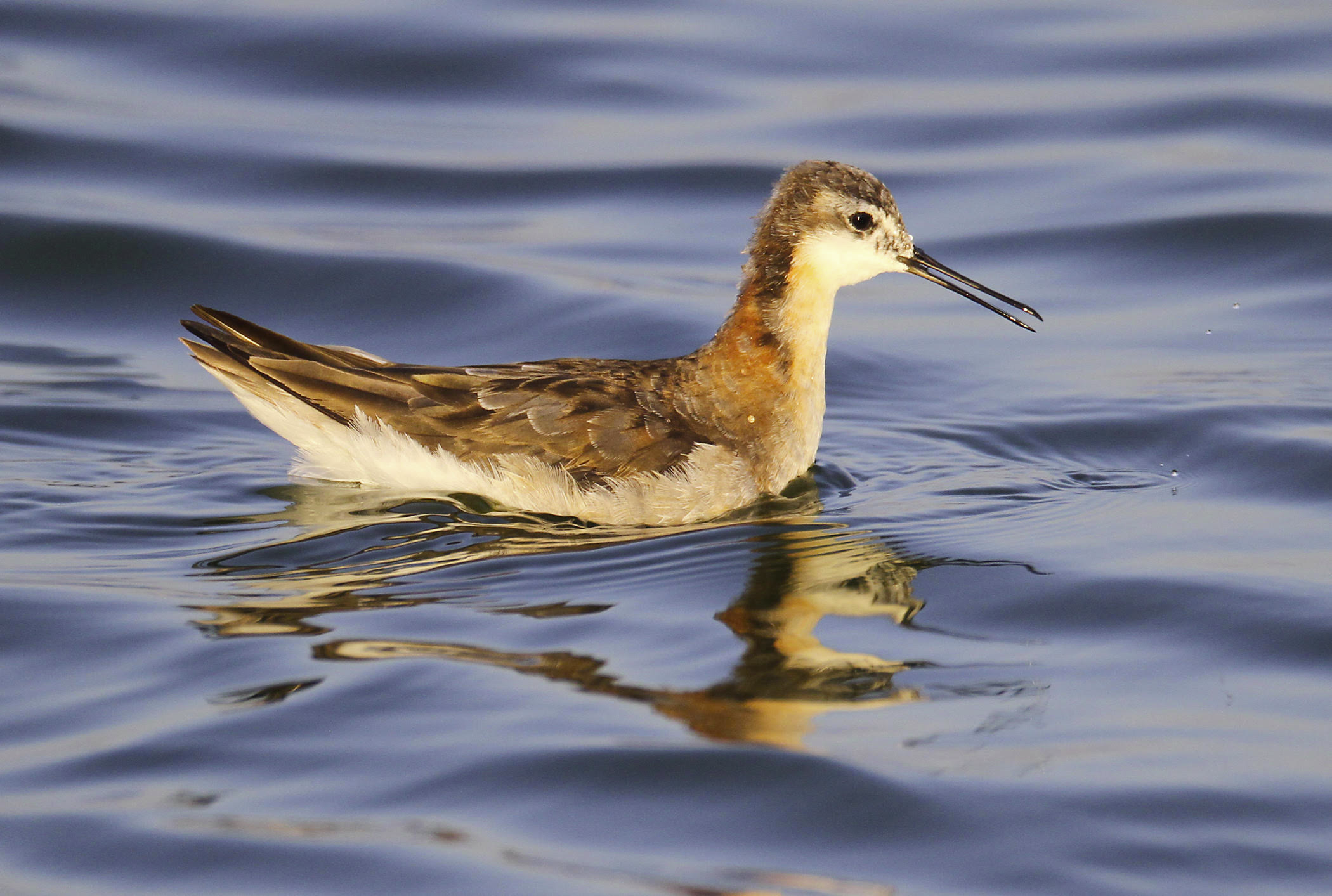
Wilson’s Phalaropes and Red-necked Phalaropes are exceptionally unique shorebirds that specialize in hypersaline habitats. Nathan will discuss the challenges facing phalaropes within the San Francisco Bay and across their intercontinental migration. He will discuss monitoring data within the South Bay Salt Pond Restoration Project, how saline lakes like California’s Mono Lake ...
Evolution Gone Wrong describes why the human body is uniquely prone to aches and pains. From poorly fitting teeth to blurry vision, torn menisci to difficult births, the history of our imperfections is rooted in our past. To understand our anatomy, we take a tour around the animal kingdom from ...
Where: Cost: Free
Friday, 02/13/26
Evolution Days 2026Each year, the Essig Museum celebrates the birthdays of Charles Darwin (February 12th, 1809), Alfred Russel Wallace (January 8th, 1823), and Henry Bates (February 8th, 1825) with special behind-the-scenes tours of our collection in the Valley Life Sciences Building (VLSB). Join us for a special look at our collections featuring ...
Flooding is one of the most damaging natural hazards worldwide, with increasing risk driven by climate??'induced changes and exposure in vulnerable communities. Meeting emerging design and planning challenges requires scalable flood modeling tools that incorporate future climate conditions while quantifying the uncertainty inherent in these projections. Typically, national flood information ...
Astro 101: Intro to Observing the Night SkyThis event is one of several different introductions to astronomy offered by SJAA and aims to get you started observing the night sky. During this event, you'll get an overview of the types of sky objects we observe (stars, planets, nebulae, galaxies and more), the tools we use to do ...
Where: San JoseCost: Free
In Town Star PartyCome join San Jose Astronomical Association (SJAA) for an evening of stargazing. Event details:Events are held at the parking lot of our headquarters, Houge Park, San Jose. The event duration is 2 hours. SJAA volunteers will share night sky views from their telescopes.Please refrain from bringing your own telescopes ...
Where: San JoseCost: Free
Saturday, 02/14/26
Fungus February: Fungus Fair at Presidio Tunnel Tops Join us outside the Field Station at Presidio Tunnel Tops for the Parks Conservancy Fungus Fair to explore the weird and wonderful world of fungus! Learn the process of how mushrooms grow, how to identify them in the wild, and what ecologists have been learning about fungus in the park. Weather ...
Join us for a series of fun and engaging days of creativity and sustainability. Let’s come together to transform plastic waste into beautiful works of art that examine the connection between plastic and ocean life cycles, and inspire change. Your created pieces will be part of a community art installation ...
Where: Palo AltoCost: Free
Evolution Days 2026Each year, the Essig Museum celebrates the birthdays of Charles Darwin (February 12th, 1809), Alfred Russel Wallace (January 8th, 1823), and Henry Bates (February 8th, 1825) with special behind-the-scenes tours of our collection in the Valley Life Sciences Building (VLSB). Join us for a special look at our collections featuring ...
New technologies have the potential to greatly enhance and expand the functioning of human memory, but they can also come with unintended consequences. Having access to smartphones and the Internet, for example, has changed how people remember (and often what they forget). In this talk, I will provide an overview ...
Where: Santa CruzCost: Free
Junior Rangers at the Refuge: Bird Beak BuffetLove learning about new habitats? Curious about wildlife? Our Junior Rangers at the Refuge program is perfect for your family! Join us each month as we explore the Don Edwards SF Bay National Wildlife Refuge through fun, educational activities.This February, we'll discover how the Refuge can support over 280 species of birds ...
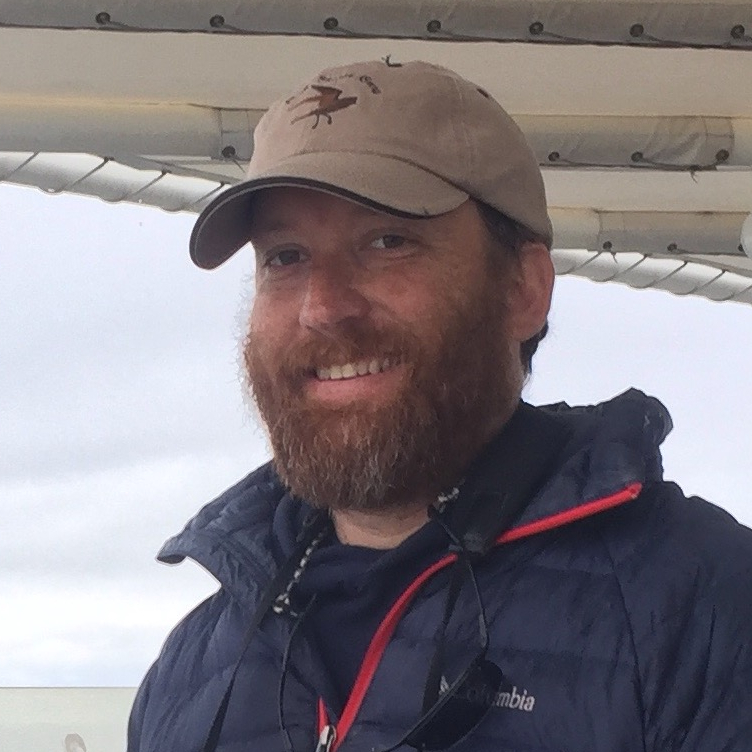
Brian is a marine ecologist who works on the foraging behavior, habitat associations, and spatial ecology of seabirds, and tries to incorporate these perspectives into spatial models of seabirds and their prey. Brian has worked on marine or aquatic birds within California, Alaska, Maine, Nova Scotia, and Wisconsin, and works ...
Classical methods for achieving nucleophilic substitution reactions of alkyl electrophiles (SN1 and SN2) have limited scope and are not generally amenable to enantioconvergent variants that employ readily available racemic coupling partners. In this talk, the use of radical chemistry in combination with transition-metal catalysis to address the dual challenges of ...
Speaker: Caleb Luke Mayer, Stanford UniversitySee weblink for connection information
Where: Cost: Free
Out of the ice age: Insights into past sea level and ice sheets from Beringia to AntarcticaAlthough understanding how ice sheets respond to a changing climate is a pressing issue of the century, our current knowledge of past ice-sheet changes remains limited by data sparsity. Over the last deglaciation, we understand global sea-level changes quite well, however, we know little about which ice sheets contributed meltwater ...
Designing, constructing, maintaining, and upgrading civil engineering infrastructure requires fresh thinking to reduce materials, energy, and labor. Meeting this goal depends on a deeper understanding of infrastructure performance - during construction and throughout its service life - enabled by innovative monitoring. The future of infrastructure will rely on smarter information: ...
Extensive attention has been paid to the potential harms of media consumption generally, and social media use in particular, with relatively little consideration given to the potential psychological benefits of media use. This talk will address why this bias exists and its potential for unintended negative consequences. Evidence of how ...
The computational resources required to describe the full state of a quantum many-body system scale exponentially with the number of constituents. This severely limits our ability to explore and understand the fascinating phenomena of quantum systems using classical algorithms. Quantum simulation offers a potential route to overcome these limitations. The ...
Spectroscopy and microscopy have the potential to reveal the structure and dynamics of complex materials, ranging from chromophores in solution to molecular aggregates, nanomaterials, and even quantum sensors. Yet, disentangling these signals and extracting an intuitive picture of how excitations form, move, and transform is one of the most persistent ...
Human manipulation is a dance of contact - carefully choreographed by physics, geometry, perception, and control. Despite extensive theories of contact physics and our advanced learning methods, achieving generalizable robot dexterity in the open world remains elusive. The challenge lies in the “hybrid” nature of contact: interactions are non-smooth and ...
Where: BerkeleyCost: Free
Popping the Science Bubble: Two talksWhat a trip! How psychedelic drugs reopen critical periods of developmentSpeaker: Makenzie Wilkinson, NeroscienceVisual processing and the limits to acuitySpeaker: Lauren Sigda, Vision ScienceAttend in person or click here to watch on Zoom
Where: BerkeleyCost: Free
Finally, something goodStefan Sagmeister has designed for clients as diverse as the Rolling Stones, HBO, and the Guggenheim Museum. He’s a two time Grammy winner and also earned practically every important international design award. Stefan talks about the large subjects of our lives like happiness or beauty, how they connect to design ...
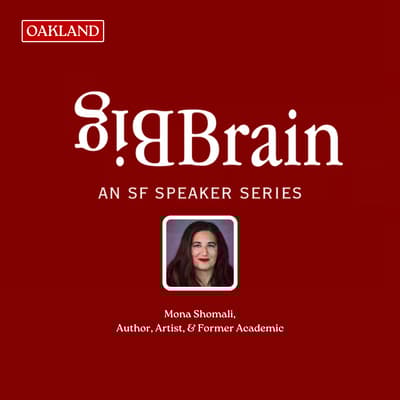
Why do countries rich in oil so often experience political instability and human rights conflict?In this lecture, Mona Shomali explores the idea of the “resource curse” - a theory in international development that helps explain why vast natural wealth can fuel inequality, violence, and environmental harm rather than prosperity.Drawing on ...
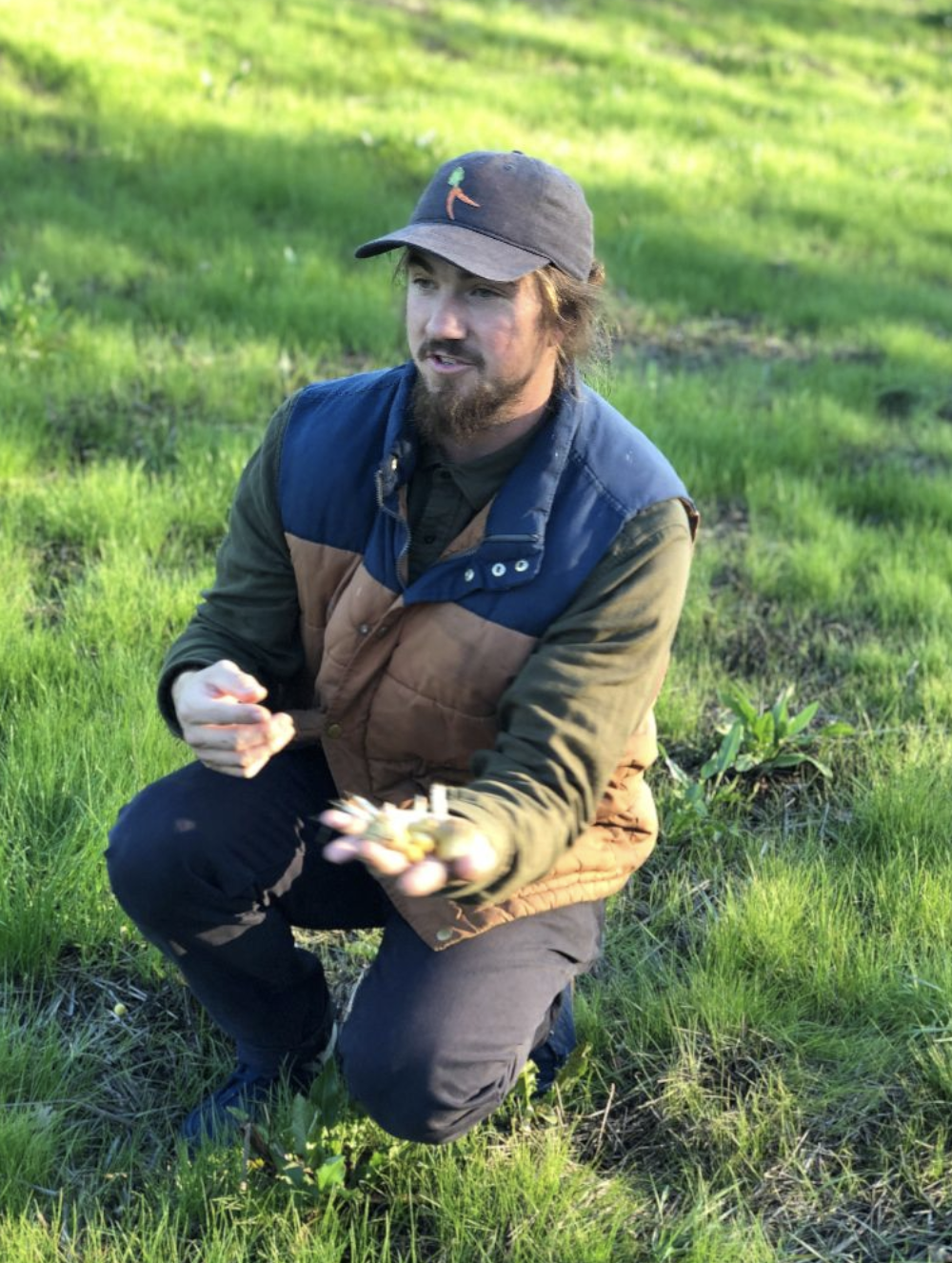
This talk will cover all things Sonoma County fungi: My obsession origin story, where to find mushrooms, important trees to learn, edible mushrooms, weird mushrooms, resources to utilize, mushroom stories, and more.Speaker: David Healy, Teacher
Landslides remain a major global hazard, with thousands of events each year posing significant impacts to human life, infrastructure, critical lifelines, and ecosystems. Global climate change and evolving land-use practices are expected to increase the frequency, severity, and spatial extent of landslides, further amplifying the socio-economic risks. While advanced constitutive ...
Geologic hydrogen, including both naturally occurring and stimulated, is a promising primary energy resource. The Earth is a natural laboratory where hydrogen can be observed from surface features (e.g., springs, fairy circles) and subsurface structures (e.g. geothermal wells, chromite mines). The Earth is also a natural factory where both natural ...
Where: StanfordCost: Free
Forest-based natural climate solutions: Is there still hope?Rapid decarbonization and conservation are both essential to addressing climate change, with tropical forests playing a critical role in achieving net-zero emissions.Drawing on research from the Cambridge Centre for Carbon Credits (4C), Coomes will explore how forest-based nature-based climate solutions seek to reduce deforestation and restore degraded landscapes through credible ...
Campos agrícolas are fenced parcels spanning thousands of acres, owned or rented by Mexican-US agribusiness corporations, and characterized by intensive monoculture and large-scale production. There, surrounded by deserts and highways, transnational agricultural conglomerates have built “mini cities” as a frequent strategy to secure sufficient and available human labor. Each harvest ...
Where: BerkeleyCost: Free
Ultrafast Magnetism: The Physics Behind Faster, Greener Computing - SOLD OUTWhat happens when magnets move faster than we thought possible?In our everyday devices, magnets store information by flipping their polarity - north becomes south, south becomes north. But compared to modern silicon electronics, this process is surprisingly slow.Enter ultrafast magnetism. When magnets are struck with incredibly short laser pulses - ...
This presentation will discuss Scott Harris's new book, Why We Love Birds: 52 Birders on Birding. In the book, he interview 52 extraordinary birders about their spark bird, favorite bird, nemesis bird, and their favorite birding day. Accounts include Kenn Kaufman, Sy Montgomery, Pete Dunne, Debi Shearwater and Scott Weidensaul. Their answers ...
Astronomy on Tap is is a free public lecture series where astronomers give short, laid-back talks over drinks at local bars. No background in science required - our scientists share cool stuff about space while the audience just sits back and relaxes, with plenty of time to indulge their curiosity ...
Where: San FranciscoCost: Free
The Cosmic Background RadiationDr Bernardita Ried, of the Kavli Institute of Particle Astronomy at Stanford, will present to us on cosmic background radiation.