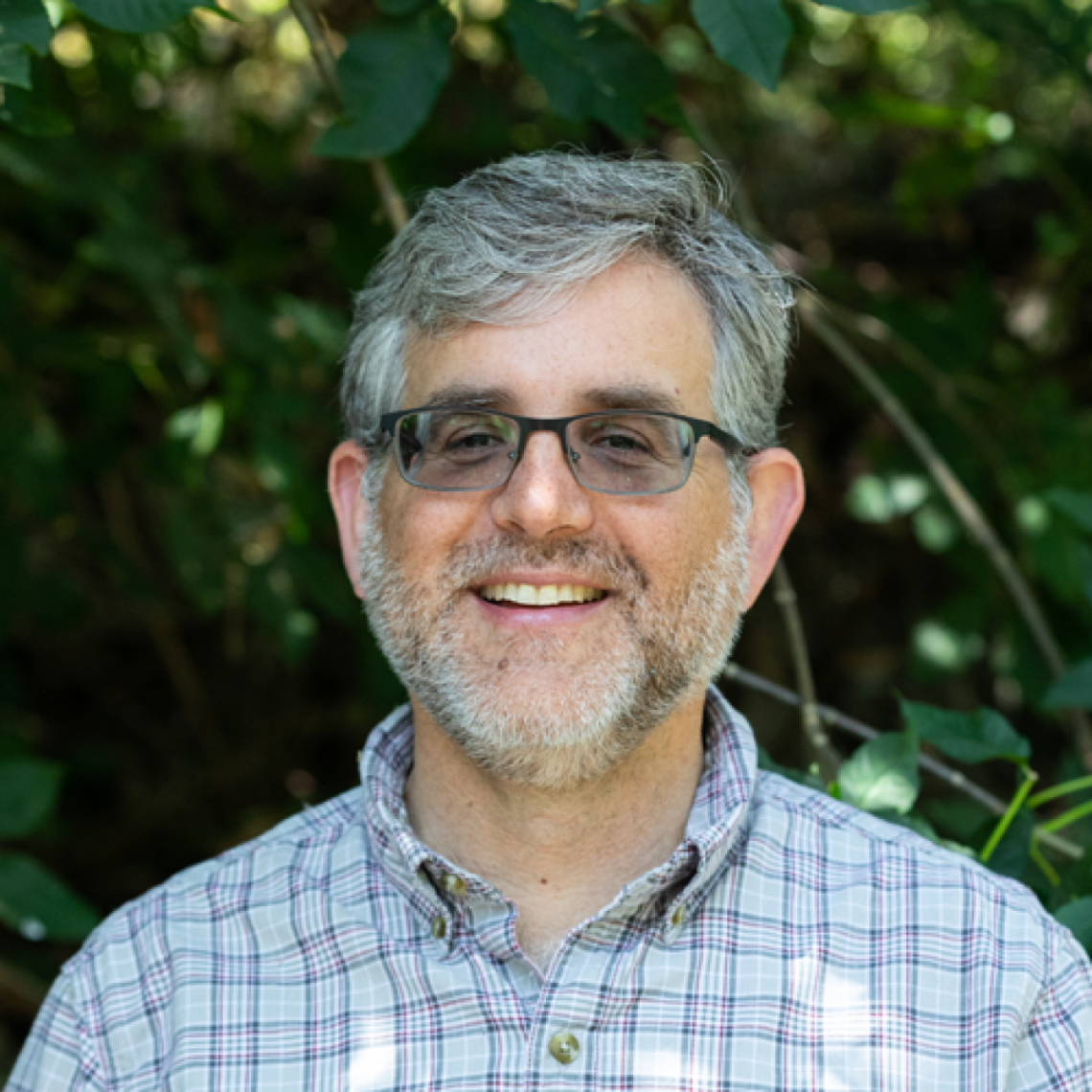
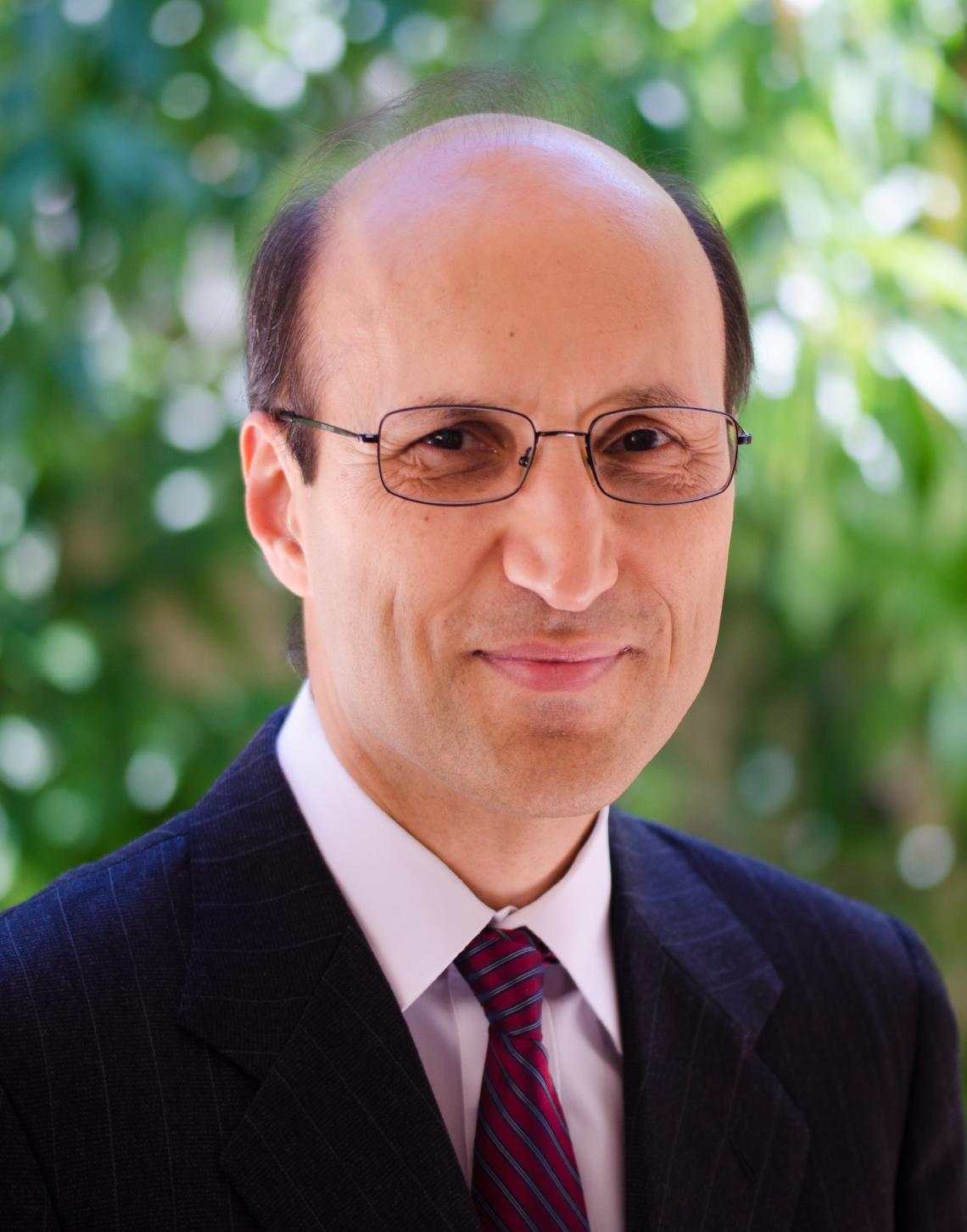
I am broadly interested in the conservation of Earth's biological diversity in the face of many interrelated threats, such as climate change, altered disturbance regimes, and land-use conversion. My research interests are in using remote sensing, geospatial technology, and machine learning to map and monitor our changing coupled human and ...
Speaker: Carina Hong, AxiomRegister at weblink to attend in person or watch online
Where: StanfordCost: Free
Mechanisms of retron phage defense and bacterial-derived technologies for molecular recordingThe Shipman lab investigates the complex molecular machines that bacteria use to defend themselves against viruses and other bacteria, then draws on those mechanisms to invent new technologies that help researchers study and manipulate technically challenging aspects of biology. This seminar will touch on both the fundamental and technological components ...
The IceCube project at the South Pole melted 86 holes 2.5 kilometer deep in the Antarctic ice sheet to construct an enormous astronomical observatory that is also the largest neutrino detector ever built. The experiment discovered a flux of neutrinos from deep space with energies more than a million times ...
Walk with a NaturalistJoin Shelby Hendricks, group tour and family programs manager, for an observation-based exploration of works currently on view through the lenses of art and science.These cross-disciplinary tours invite visitors to engage with artworks in unexpected ways, bringing a more-than-human dimension to scientific ideas while deepening our emotional connection to the ...
Liat Berdugo (Media Artist) on "Technologies of the Surface: Embodying the Gestural Interfaces of Everyday Technology"Vinod Menon (Professor of Psychiatry & Behavioral Sciences) TBA (affiliation) on ""
Remember when everyone rushed to ship microservices without service discovery, circuit breakers, or tracing? AI agents are in that exact "wild west" phase right now. Everyone is building them; very few are thinking about the infrastructure underneath.Drawing from real-world experience deploying production agents across 120+ microservices, this talk bypasses the ...
Wireless networks of the future are envisioned to be highly heterogeneous. They will include flying nodes like UAVs as base stations, relays, and sensors. We will discuss the characteristics of the future wireless communication and sensor networks and present the role of UAVs. We will consider the deployment and trajectory ...
Where: Rohnert ParkCost: Free
Woodrats Offer a Window for Characterizing Temporal Structure of Truffle ReproductionDr. Chris Bivins is a mycologist and ecologist who recently completed his Ph.D. in Quantitative & Systems Biology at UC Merced. His research focuses on fungal ecology in California’s Sierra Nevada foothills, particularly on the interactions among truffle-forming fungi, plants, and mammals. Chris uses field surveys, DNA metabarcoding, and natural ...
Where: SebastopolCost: Free
After Dark: Glow OpeningYour favorite winter tradition returns - step into the art and science of light, bask in luminous artworks, play with optical illusions, and more.
Where: San FranciscoCost: $22.95 General, Free for members
Friday, 11/20/26
Coastal Walk at Pillar Point BluffJoin Peninsula Open Space Trust for a beautiful walk at Pillar Point Bluff just north of Half Moon Bay! You will be guided by POST ambassadors who will share details about the area’s interesting natural history, from the coastal scrub habitat to the Fitzgerald Marine Preserve which hosts tide pools ...
Marsh Hike at Coyote PointStep into the baylands and explore the vibrant marsh ecosystem right outside our doors. Join CuriOdyssey educators for a guided hike through Coyote Point’s wetlands, where we’ll look for native plants, local wildlife, and signs of seasonal change.We will gather at CuriOdyssey before heading out to the marsh together. Participants ...
Baylands ExplorationsJoin expert EV docents for an exploration of the science and nature of the Palo Alto Baylands. What makes this habitat so special? How do the plants and animals survive the salty conditions? Why is it so different at different times of day or times of the year? How can ...
Learn about pollinators and how native plants support them with naturalist Margaret Flaherty.Pollinators move pollen within or between flowers and play a crucial role in supporting biodiversity. Over 80% of flowering plants must be pollinated to reproduce. Learn more about how pollinators are essential to plant reproduction and plant diversity. ...