
Science Education in an Age of Misinformation - Livestream
How can science education improve young people’s ability to evaluate science-related claims? Online, young people are confronted with information of wildly varying quality made by those who would claim to have expertise. The complexity of science has made the key issue one of evaluating the credibility of the so-called “expert†rather than trying to evaluate the scientific claims per se. For this, what is needed is a combination of innovative basic skills of digital media literacy, and a good understanding of the “social practices†of science - the norms and values - which form the foundation of reliable knowledge. As does a fact-checker or journalist, the student should begin by looking for evidence that the source is independent, objective, trustworthy, and lacks a conflict of interest or ideological/political bias. Once past this test, students need an understanding of the social practices of science: the significance of consensus, the role of peer review, the importance of relevant scientific expertise, and the nature of uncertainty. Although much remains to be done to bring these ideas to the classroom, there are some extant models and curricula from both US and Finnish researchers that are being used successfully.
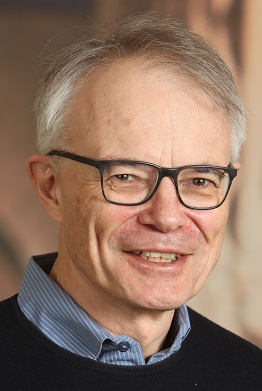
Speaker: Jonathan Osbourne, Stanford University
See weblink for connection information
Thursday, 11/10/22
Contact:
Website: Click to VisitCost:
FreeSave this Event:
iCalendarGoogle Calendar
Yahoo! Calendar
Windows Live Calendar
Bay Area Skeptics


, CA