Space Exploration Weekend at The Tech InteractiveCelebrate National Space Day all weekend at The Tech with Space Exploration Weekend, May 1 to May 3. This family-friendly event invites aspiring astronauts to dive into hands-on space programming, watch Space: The New Frontier in IMAX®, and take a spin on the Jet Pack Chair as its send-off celebration ...
With climate change rapidly impacting ecosystems, phenotypic plasticity that operates on timescales quicker than evolutionary adaptation is crucial for species persistence. One way to examine phenotypic plasticity is to integrate physiology techniques with "-omics" technologies (ex. genomics, epigenomics, transcriptomics, metabolomics, lipidomics), which allows for the interrogation of mechanisms that contribute ...
Where: StanfordCost: Free
A conversation with Google Chief Scientist Jeffrey DeanJoin us for an in-person conversation with Jeffrey Dean, Chief Scientist at Google, leading the development of foundational Google infrastructure and modern AI research. Dean will present advancements and recent trends in the space, followed by audience Q&A.Ticket reservations required at weblink
Earth-sized planets are likely common in the Universe, including in our cosmic neighborhood. The highest national priority is to build a space telescope to discover such planets and assess their habitability. This telescope, known as the Habitable Worlds Observatory, is expected to launch in the 2040s. This endeavor is technically ...
Intensifying water scarcity and climate change demand new approaches to aqueous separations, particularly the separation of trace contaminants from drinking water and the capture of ‘critical metals’ from wastewater sources. The Taylor lab at the University of Maryland uses the tools of supramolecular assembly and reticular chemistry to tackle these ...
Where: BerkeleyCost: Free
First Friday Nights at CuriOdysseySwing into the weekend with science, animals, music, food trucks, and fun! On the first Friday of every month, parents and kids celebrate together at CuriOdyssey.Dance to some of your favorite hits, while enjoying animal presentations and science activities. Activities and programs are different each time, so make it a ...
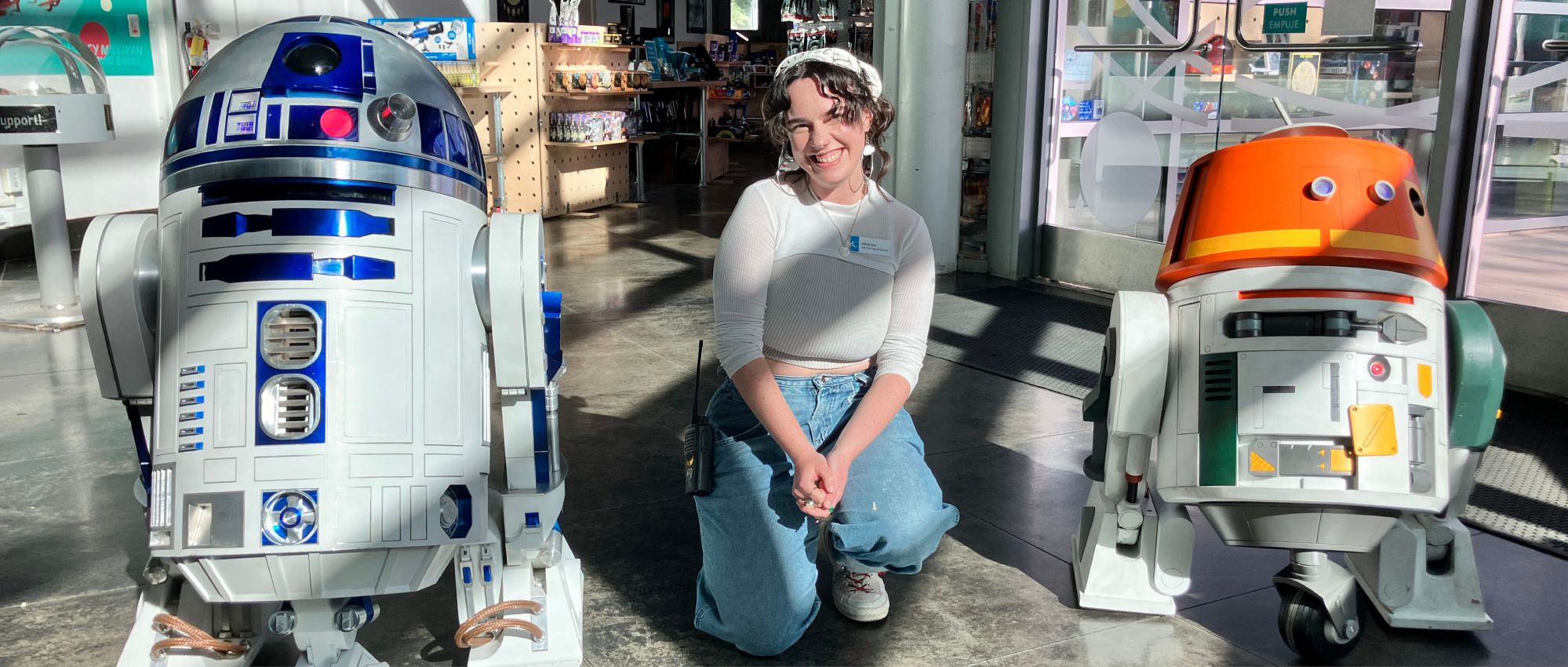
This Friday, join our team of cosmic rebels to celebrate “May the Fourth” early in our galaxy not so far away! Craft your own glowing sword, get a glimpse of distant planets through our historic 8” refractor telescope known as “Leah,” and discover the mechanics of robotics alongside a familiar ...
Where: OaklandCost: $24 General, $19 Kids, Free for members
Measuring gravitational waves is a revolutionary new way to do astronomy. In 2015, LIGO (the Laser Interferometer Gravitational-wave Observatory) first detected one of these waves ??" a tiny ripple in space itself, generated by the collision of 2 black holes. Since then the cumulative number of detections that LIGO and ...
Where: San MateoCost: Free
Saturday, 05/02/26
Hike at Calero County ParkJoin Peninsula Open Space Trust (POST) at Calero County Park, one of the region’s most beautiful oak woodlands just south of San Jose on the westside of Santa Clara Valley. You will be led by POST ambassadors who will share about the natural history of the area and about POST’s ...
Where: San JoseCost: Free
Bring Back the Natives Garden ToursBayside Gardens: Talks, Music, and native Seed and Plant Sales in the Gardens.See the weblink for list of cities and gardensRegister at weblink
Where: Cost:
Space Exploration Weekend at The Tech InteractiveCelebrate National Space Day all weekend at The Tech with Space Exploration Weekend, May 1 to May 3. This family-friendly event invites aspiring astronauts to dive into hands-on space programming, watch Space: The New Frontier in IMAX®, and take a spin on the Jet Pack Chair as its send-off celebration ...
First Saturday Tours are a wonderful way to introduce yourself to the Arboretum or to deepen your knowledge of the Arboretum’s plant collections. Each tour is a little different depending on the time of year, the interests of the tour guide, and the people who join in. For example, you ...
Where: Santa CruzCost: Free with admission
Are There Gray Foxes in Your Backyard?Learn all about our local gray foxes and how to identify evidence of their presence!On a walk/talk from the Visitor’s Center out into the refuge, Bill "The Fox Guy" Leikam will show you how to identify indications of the presence of foxes, and tell stories about gray foxes that he’s ...
Speaker: Mary Nichols, California Air Resources Board (retired) and Carla Peterman, PG&EAttend in person or click to watch on Youtube
Where: BerkeleyCost: Free
Sunday, 05/03/26
Bring Back the Natives Garden Tours - Inland CitiesInland Gardens: Talks, Music, Free Seeds, Birdwatching, and Mugwort Soap Sale in the GardensSee the weblink for list of cities and gardensRegister at weblink
Where: Cost:
Space Exploration Weekend at The Tech InteractiveCelebrate National Space Day all weekend at The Tech with Space Exploration Weekend, May 1 to May 3. This family-friendly event invites aspiring astronauts to dive into hands-on space programming, watch Space: The New Frontier in IMAX®, and take a spin on the Jet Pack Chair as its send-off celebration ...
Where: San JoseCost: $38.00
Microscopic WondersAll around us there’s a microscopic ecosystem thriving beyond our immediate human perception. On May 3rd, the Explorers Guild will set out on a microcosmic journey into the dense and teeming jungles that exist in a drop of water. Guided by the SF Microscopal Society’s Janai Southworth, we will peer ...
Where: OaklandCost: Free
Solar ObservingIt’s there for us year round, lighting our days and providing energy for our lives, so maybe it’s time to give it a closer look. Join SJAA for amazing and detailed views of the Sun, and be assured that we’ll be using special telescopes that will keep your eyeballs perfectly ...
Where: San JoseCost: Free
Monday, 05/04/26
SynBioBeta 2026SynBioBeta 2026 is a leading global synthetic biology conference bringing together founders, investors, and scientists. The event focuses on applications across food, climate, materials, and biomanufacturing. May 4 - 7, 2026 | San Jose, California.See weblink for details
From the Buck Institute website: "...Bijoya is from India where she got her bachelor’s and master’s degree in Biotechnology. Aging biology was introduced to her when she joined the lab of Gayatri Ramakrishna in Institute of Liver and Biliary Sciences, New Delhi. There she studied the role of senescence-associated pathways ...
The origin of cosmic acceleration remains an open question: is it caused by a dark energy and if so, what are its properties? Or is our theory of gravity incomplete on the largest scales? These questions have driven an ambitious effort from the cosmology community to develop wide galaxy surveys. ...
Grid planning has never been harder - or more consequential. Variable renewables, distributed resources, vehicle electrification, data centers, and industrial decarbonization are compounding in real time, turning the grid into a dynamic, multi-sector nervous system for the entire economy. Yet the tools guiding these decisions remain proprietary black boxes: artifacts ...
Microbes communicate with each other using small molecules that can trigger biological processes such as bioluminescence, cell differentiation, or surface modification. Mass spectrometry is an important tool that allows scientists to intercept and detect chemical messages in different microbial systems. Together, we will explore unique chemistry produced by several different ...
The various materials that we experience in everyday life are built from molecules. In turn, molecules are built from atoms. Atoms are built from electrons and nuclei. Nuclei are built from protons and neutrons, which were once considered “elementary particles”. Bob Hofstadter won his Nobel Prize for dispelling this notion by showing that protons ...
Where: StanfordCost: Free
Tuesday, 05/05/26
AI+Science: Accelerating Discovery ConferenceAI+Science: Accelerating Discovery is an interdisciplinary conference bringing together researchers across physics, mathematics, chemistry, biology, neuroscience, and more to examine how AI is reshaping scientific discovery.Experts will separate hype from reality, spotlighting where AI is already enabling genuine breakthroughs and where its limits and risks remain.Centered on the essential role of ...
Imaging systems are ubiquitous in the world, from complex mammalian eyes to infrared sensors in snakes, from selfie cameras on smartphones to the VLBI telescope system that took an image of a black hole, from MRIs and X-rays to microscopes and telescopes, they allow for the exploration of the universe ...
Daven Quinn is a research scientist at the University of Wisconsin - Madison. A structural geologist by training, he has become a leader in the emerging field of geoinformatics, working to model the Earth's crust as a complete, integrated system. He leads the development of geological software including Macrostrat, a digital ...
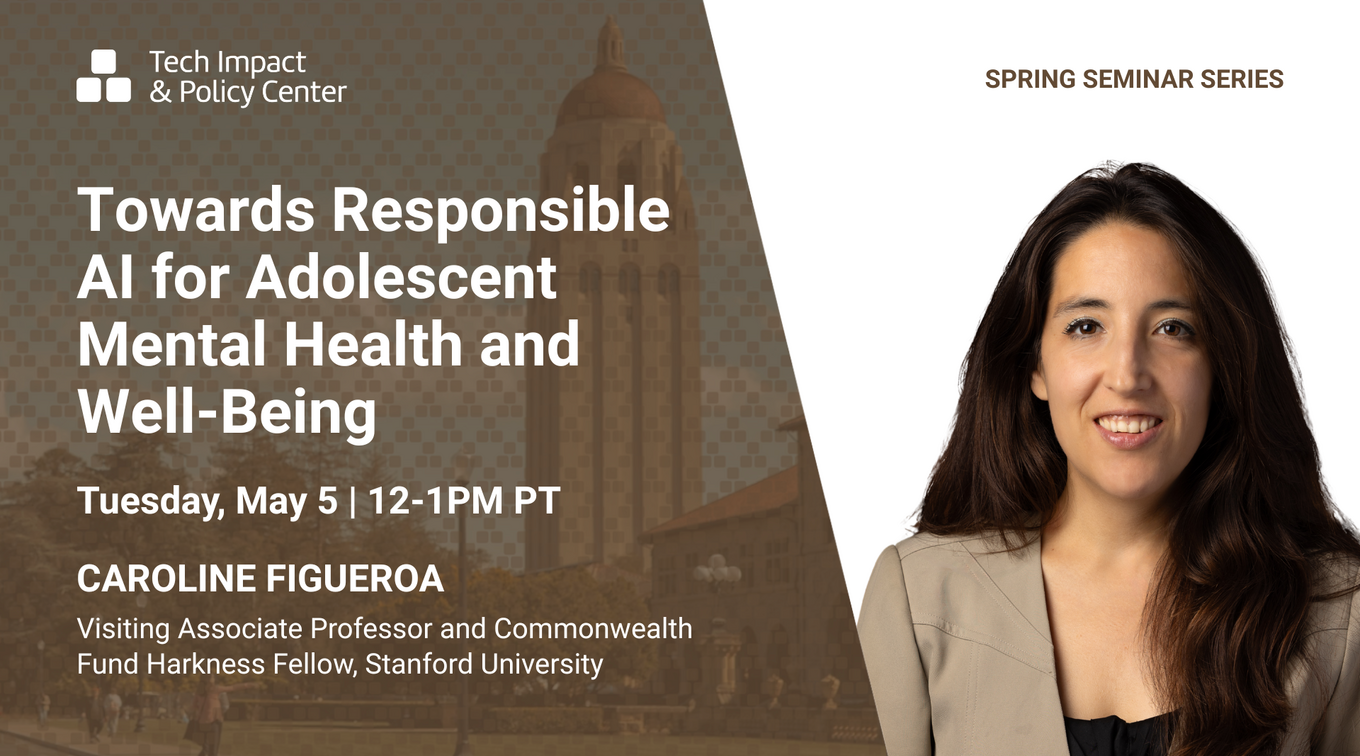
Adolescents worldwide turn to general-purpose generative artificial intelligence (AI) chatbots for mental health support, despite these tools not having been designed for youth well-being. Industry, policy and research trail far behind this rapid, largely unregulated adoption. Simultaneously, most responsible AI frameworks lack consensus, accountability, and meaningful implementation - particularly regarding ...
In recent years, experiments in high-energy accelerators have discovered a large number of unusual, heavy “cousins” of the proton - i.e., strongly interacting particles collectively known as hadrons. Ordinary hadrons are either baryons, which contain three quarks, or mesons, which contain one quark and one antiquark. The new, unusual hadrons ...
Join pioneering AI scientist De Kai and KALW for a timely, human-centered look at the responsibility we share in guiding AI’s evolution.What if AI isn’t just a tool, but something we’re actively raising together? Join pioneering AI scientist De Kai for a thoughtful, accessible conversation on how today’s systems learn ...
Where: San FranciscoCost: Free, $10 - $20 donation suggested
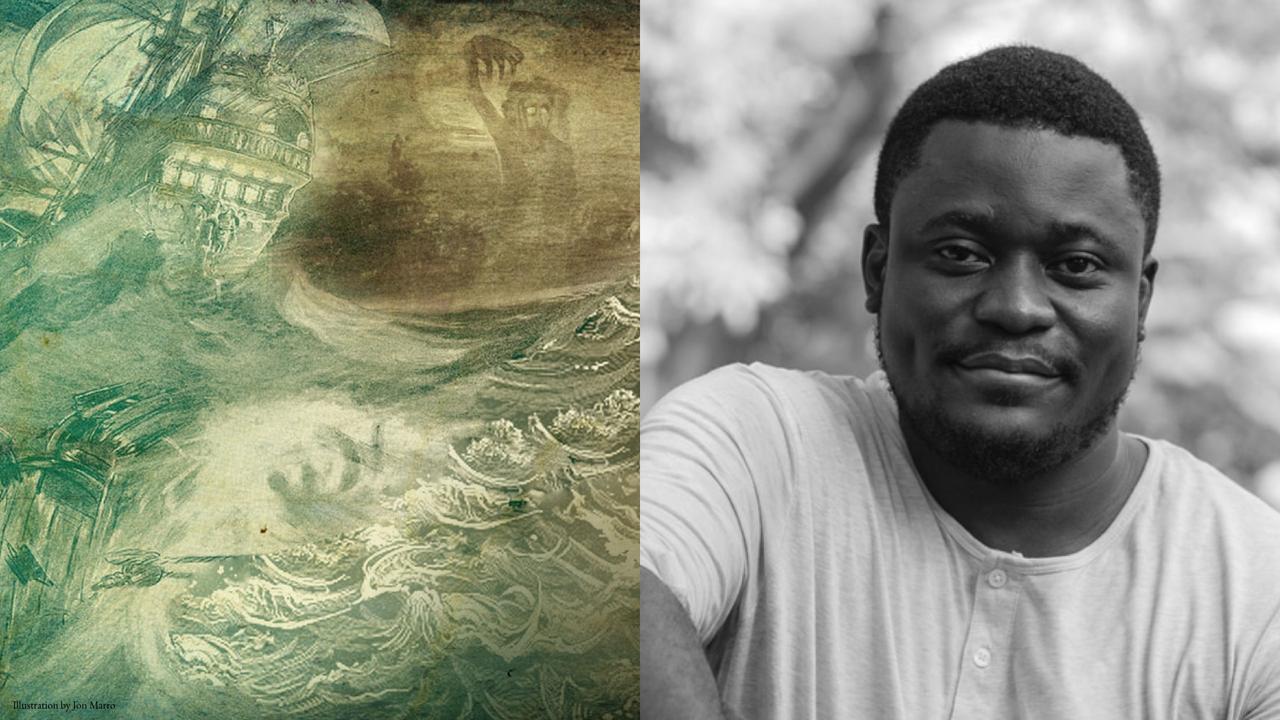
Temporal droppings.Autistic meanderings that stray from linearity.Little sedimentations, little curls of temporality.Dense knots clogging the otherwise smooth materiality of time in its totalizing productions.Mischievous bebops lurking between the tick and the tock, upsetting the steady count.The clock's disability.These are some of the many ways Bayo Akomolafe wrestles to articulate what ...
Where: San FranciscoCost: $25 General, Free for members
Foundation models, trained on vast and diverse data that capture broad aspects of the human experience, are at the heart of the ongoing AI revolution, transforming how we create, problem-solve, and work. These models - and the insights gained from developing them - are increasingly relevant to the advancement of ...
We are excited to hear from the Lunar and Planetary Institute’s Allison McGraw: “Everything is Bigger Than Texas: A Tour of the Solar System ” and Univerity of Texas San Antonio’s Austin Patridge ” Space Weathering on the Moon”.Click here to watch
Where: Cost: Free
Astronomy’s Newest Discovery Machine: The Vera Rubin Observatory - LivestreamJoin us as four Berkeley astronomers share how they are using the Vera Rubin Observatory in Chile - which contains the largest camera ever built and will create an ultra-high-definition time lapse of our Universe - to bring cosmic mysteries to light.Register at: basicscience.berkeley.eduModerator: Steven Kahn, Dean, Division of Mathematical ...
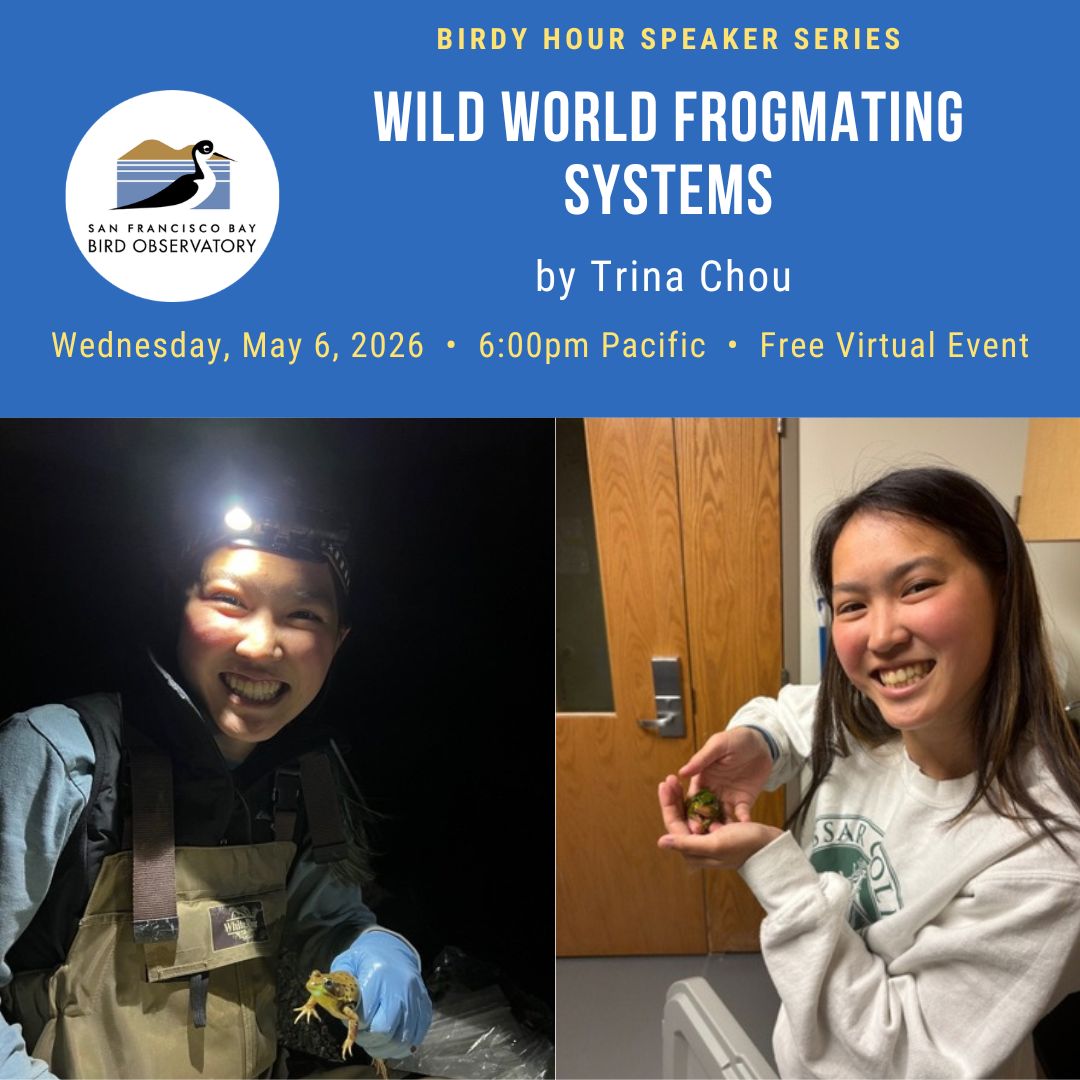
Like birds, frogs are a commonly studied species that rely on acoustic communication for survival and fitness. During the frog breeding season, males gather together in big groups and advertise themselves to females. Often times, parameters of male advertisement calls may signal something about the male’s quality, such as genetic ...
Where: Cost: Free
Heat Pump Webinar: HVAC Systems and Water Heaters - LivestreamA free webinar on the benefits of Heat Pump systems! Learn about HVAC and HPWH basics, advice, and all the available incentives.Join us for an engaging Green@Home webinar where we’ll unpack heat pump technology, specifically with Heat Pump Water Heaters and HVAC Systems. Our home heat pump expert, Mike Salameh, ...
Nearly 30 years after the discovery of cosmic acceleration, its origin remains the source of open questions: is it caused by dark energy, a mysterious energy causing the Universe’s expansion to go faster and faster with time? Or was Einstein’s theory of gravity wrong? Cosmology is now at a turning ...
Skillful prediction and projection of tropical cyclone (TC) activity are essential for storm preparedness and risk mitigation, particularly as TC impacts are expected to intensify in a warming climate due to rising sea levels and increased atmospheric moisture. Slowly varying tropical oceanic conditions have traditionally been regarded as a primary ...
Where: StanfordCost: Free
Battery Energy Storage as a SystemWe will overview decision-making in battery energy storage systems (BESS) across innovation, investment, and deployment. In this work, we apply three analytical lenses to BESS technology: learning curves, deployment costs, and economic feasibility. (1) Technology roadmap modeling - illustrated through a 6,000-scenario evaluation of sodium-ion versus lithium-ion batteries - captures both ...
The availability of low-cost but intermittent renewable electricity (e.g., derived from solar and wind) underscores the grand challenge to store and dispatch energy so that it is available when and where it is needed. Redox-active materials promise the efficient transformation between electrical, chemical, and thermal energy, and are at the ...
What exactly are we talking to when we talk to language models such as ChatGPT, Claude, and Gemini? Do these models have genuine minds with mental states? I will argue that the LLMs we interact with are at least quasi-agents with quasi-beliefs and quasi-desires, in a sense I will explain. ...
Where: BerkeleyCost: Free
After Dark: Ride OnCelebrate Bike Month with the Exploratorium and the San Francisco Bicycle Coalition! Hop on your two-wheeler, park it with our secure bike valet service from Bike East Bay, and head inside Pier 15 for the year’s most freewheeling party. Light up an LED tower with your pedaling prowess. Make sorbet ...
Matthew Citron will talk about “Searching for the dark side of our universe with particle accelerators”andTed Swift will speak about “Chasing shadows: measuring asteroids using stellar occultations”
Where: DavisCost: Free
NightLife Carnival SFCarnaval SF is back for year three at NightLife, now with a Fiesta y Fútbol twist! Join our colorful celebration of music, dance, and soccer pride from Latin American, Caribbean, and Afrodiasporic cultures. Experience the joy of Carnaval throughout the museum with hands-on activities, live performances, a pop-up mercado (marketplace), ...