
Energy and Resources Group Colloquium
Clean fuel and stove interventions, like other health or development programs, require users to continually purchase the product, and affordability remains a major barrier. To ease financial constraints, microcredit has been the most commonly pursued tool, yet many low-income individuals need a safe place in which to save, not necessarily borrow. Microsavings may be a better option than credit to increase clean fuel consumption. I will present the experimental and ethnographic results of a yearlong stepped-wedge randomized control trial (RCT) that assessed an informal (unbanked) saving intervention (a locked deposit box) targeted at individual households, with the original motivation of increasing clean fuel consumption. This work from my Dissertation supports the need for the energy, health, and development sectors to account for the full costs of interventions, and for the individual who is expected to pay these costs. Ignoring the gendered nature of savings and purchases, the variable nature of the household, and the full portfolio of a users’ (competing) needs and expectations, will limit both improvements in well-being as well as the global community’s ability to finance and achieve the SDGs.
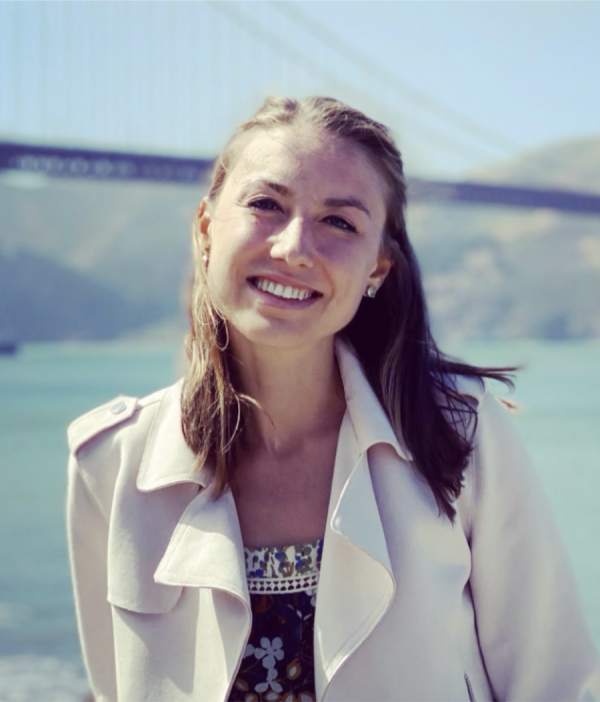
Speaker: Annelise Gill-Wiehl, UC Berkeley
Wednesday, 04/17/24
Contact:
Website: Click to VisitCost:
FreeSave this Event:
iCalendarGoogle Calendar
Yahoo! Calendar
Windows Live Calendar
Giannini Hall


Room 141
Berkeley, CA 94720