
Fault-Conscious & Fault-Assisted Enhanced Geothermal Systems
Enhanced geothermal systems (EGS) differ from conventional reservoirs in that fractures and faults are central to the engineering problem. The coupled physical processes governing faulted and fractured reservoirs are complex and difficult to model. Traffic light systems (TLS), the current state-of-the-art for managing induced seismic hazard, have shown only limited success, in part due to fundamental limitations as reactionary protocols operating in stochastic systems.
In this presentation, I address two questions that are critical to scaling up EGS:
- Can we leverage the permeability structure of fault zones to optimize geothermal energy?
- How can we develop transferable models and forecasts of fluid-induced fault slip?
To address the first question, I present an in-depth analysis of the most recent stimulation at Fervo Energy’s Cape Station in Utah, demonstrating that large-scale faults form core components of the stimulated network. Next, I develop a probabilistic framework for seismic hazard management and embed it within a feedback control loop to design optimal injection strategies.
The presentation highlights the importance of explicitly accounting for the geomechanical contact problem and argues for a shift in perspective on pre-existing faults: from treating them as a liability to recognizing them as a central design variable in future geothermal systems.
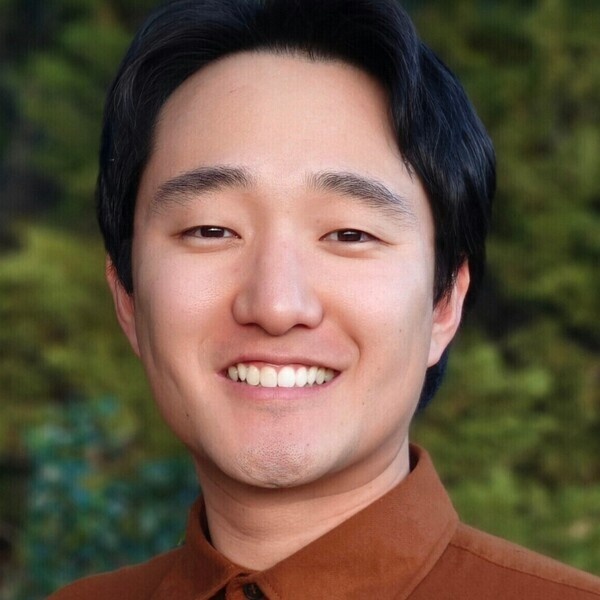
Speaker: Taeho Kim, Stanford University
Monday, 01/26/26
Contact:
Website: Click to VisitCost:
FreeSave this Event:
iCalendarGoogle Calendar
Yahoo! Calendar
Windows Live Calendar
Green Earth Sciences Building


Stanford University
Stanford, CA 94305
Website: Click to Visit