
Antarctic macroalgal forests: species interactions and impacts of changing ice
Don’t let anyone tell you that there are no forests in Antarctica. There are forests of large brown macroalgae (seaweeds), with a rich understory of red macroalgae, along the northern third of the western Antarctic Peninsula (WAP). The vast majority of the macroalgae are chemically defended from herbivores, but are in a mutualistic relationship with huge densities of associated small crustaceans. The crustaceans benefit because the chemically defended algae provide a refuge from predators, and the crustaceans benefit the macroalgae by keeping them clean of fouling microalgae.
Macroalgal forests decrease in the central WAP because of increased annual sea ice, which reduces light availability. However, sea ice has been decreasing dramatically over the past decade. We predict that the central WAP communities are changing accordingly, and have shown that even sites that already had high macroalgal cover have experienced major increases in macroalgal biomass over only a few years.
Attend in person or click here register to watch online
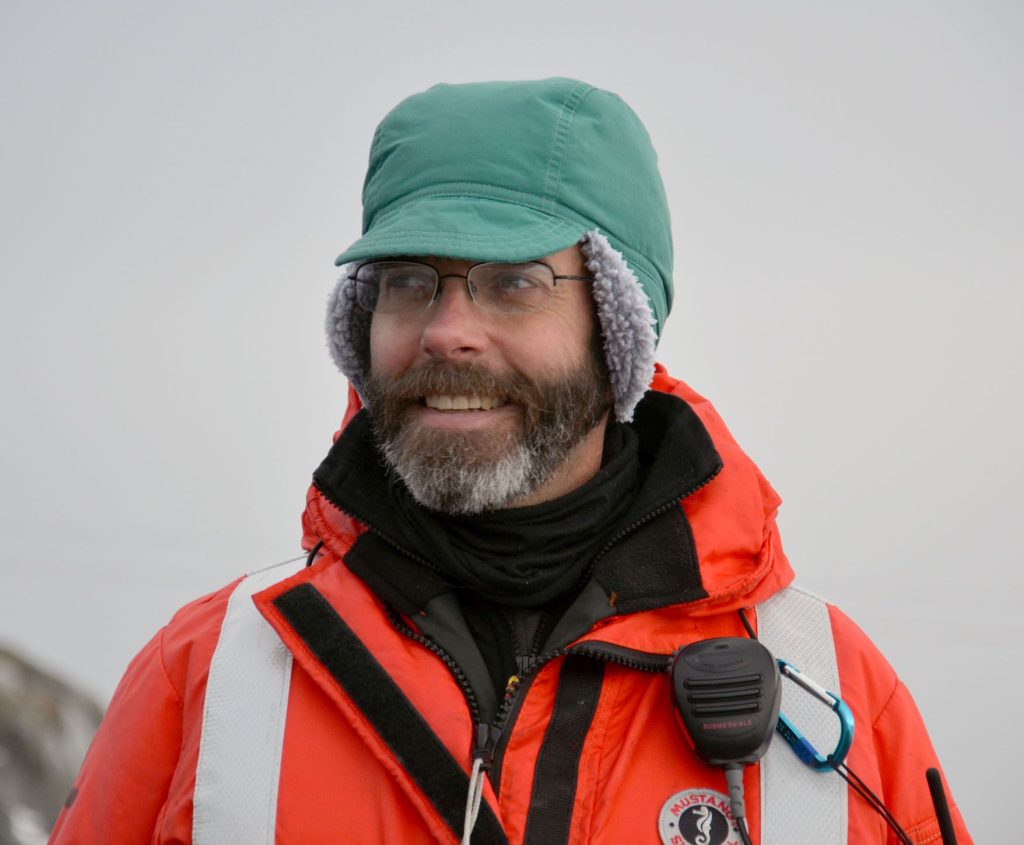
Speaker: Charles Amsler, University of Alabama, Birmingham
Wednesday, 05/27/26
Contact:
Website: Click to VisitCost:
FreeSave this Event:
iCalendarGoogle Calendar
Yahoo! Calendar
Windows Live Calendar
Monterey Bay Aquarium Research Institute


Moss Landing, CA 95039
US