Motivation, Representation, and Autonomous AgentsThe past decade’s series of dramatic AI successes has brought us closer to realizing the dream of the autonomous agent - an artificial system that can learn about its world, make decisions, and set and achieve goals, all with minimal human intervention. Nature has given us an incredible motif for ...
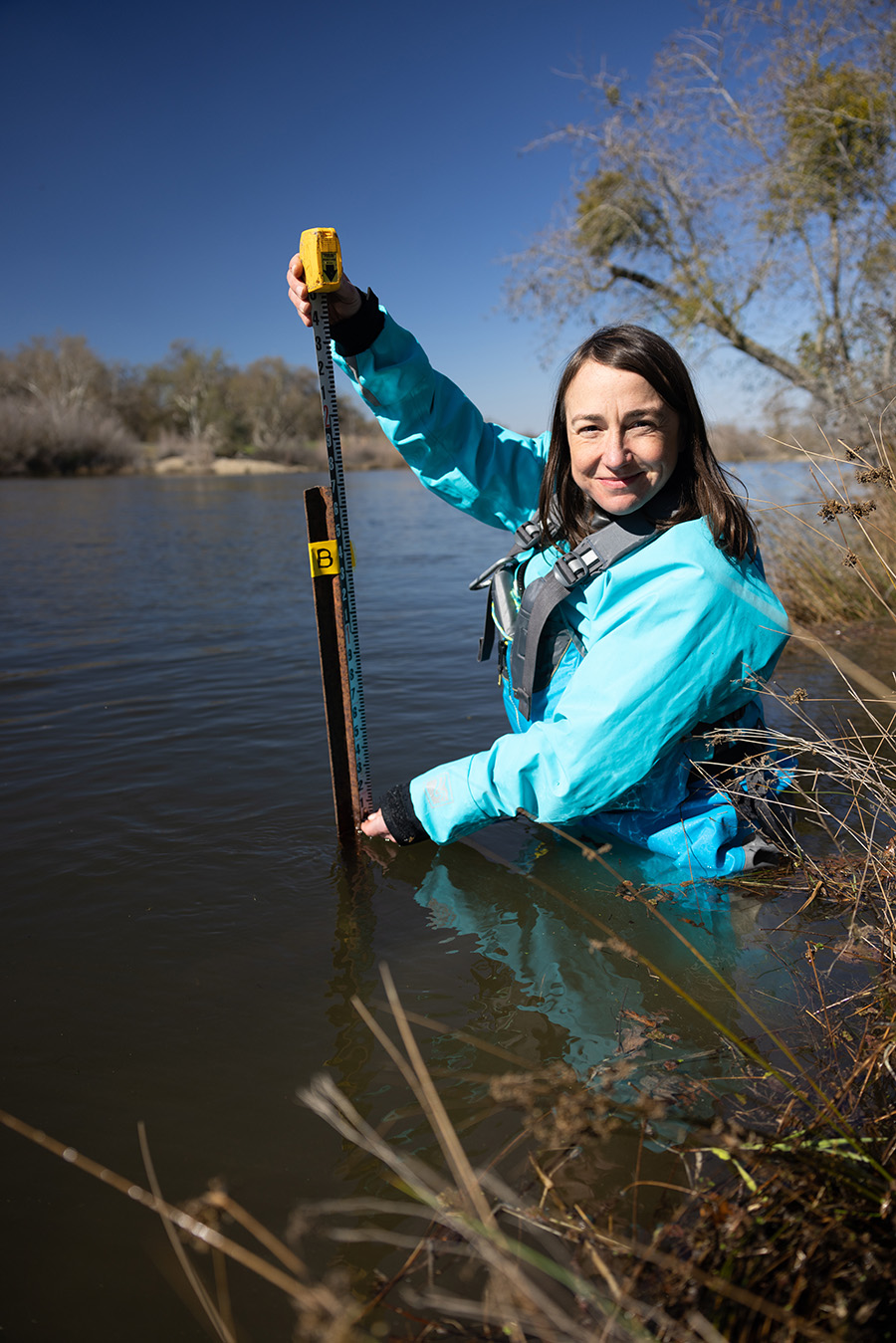
Along rivers, bedload transport causes collision and wear of sediment particles, by both surface attrition that produces sand and silt, and chipping that produces larger fragments. As a result, riverbed sediments exhibit two downstream trends: rounding and fining where particle size decreases with distance downstream. Sediments supplied by hillslopes to ...
The presentation delves into the prevalent challenges of human infertility and congenital defects exacerbated by environmental toxins. Chemicals like bisphenol A (BPA) and phthalates, present in plastics, cosmetics, and personal care items, disrupt hormones and pathways as endocrine-disrupting compounds (EDCs). Despite efforts to replace BPA with alternatives labeled “BPA-Free,†these ...
Where: EmeryvilleCost: Free
Doors Open 2023: Go Behind - the - Scenes at the Physical ArchiveWe are excited to offer a behind-the-scenes tour of the physical collections of books, music, film, and video in Richmond, California.With this special insider event we are opening the doors to an often unseen place. See the lifecycle of physical books - donation, preservation, digitization, and access. Also, samples from ...
Near-Earth objects present both an existential threat to human civilization and an extraordinary opportunity to help our exploration and expansion across the solar system. The risk of a sudden, civilization-altering collision with an asteroid or comet has markedly diminished in recent decades due to diligent astronomical surveys, but a significant ...
Where: Los Altos HillsCost: Free
What Can AI Teach Us About the Human Mind...and vice versa?Scientists often use models to study complicated and interesting phenomena (think the model of the atom, mouse models to study cancer, etc.). In particular, computational models allow us to improve our understanding of phenomena that cannot be observed directly, whether due to time (such as predicting earthquakes) or access constraints ...