
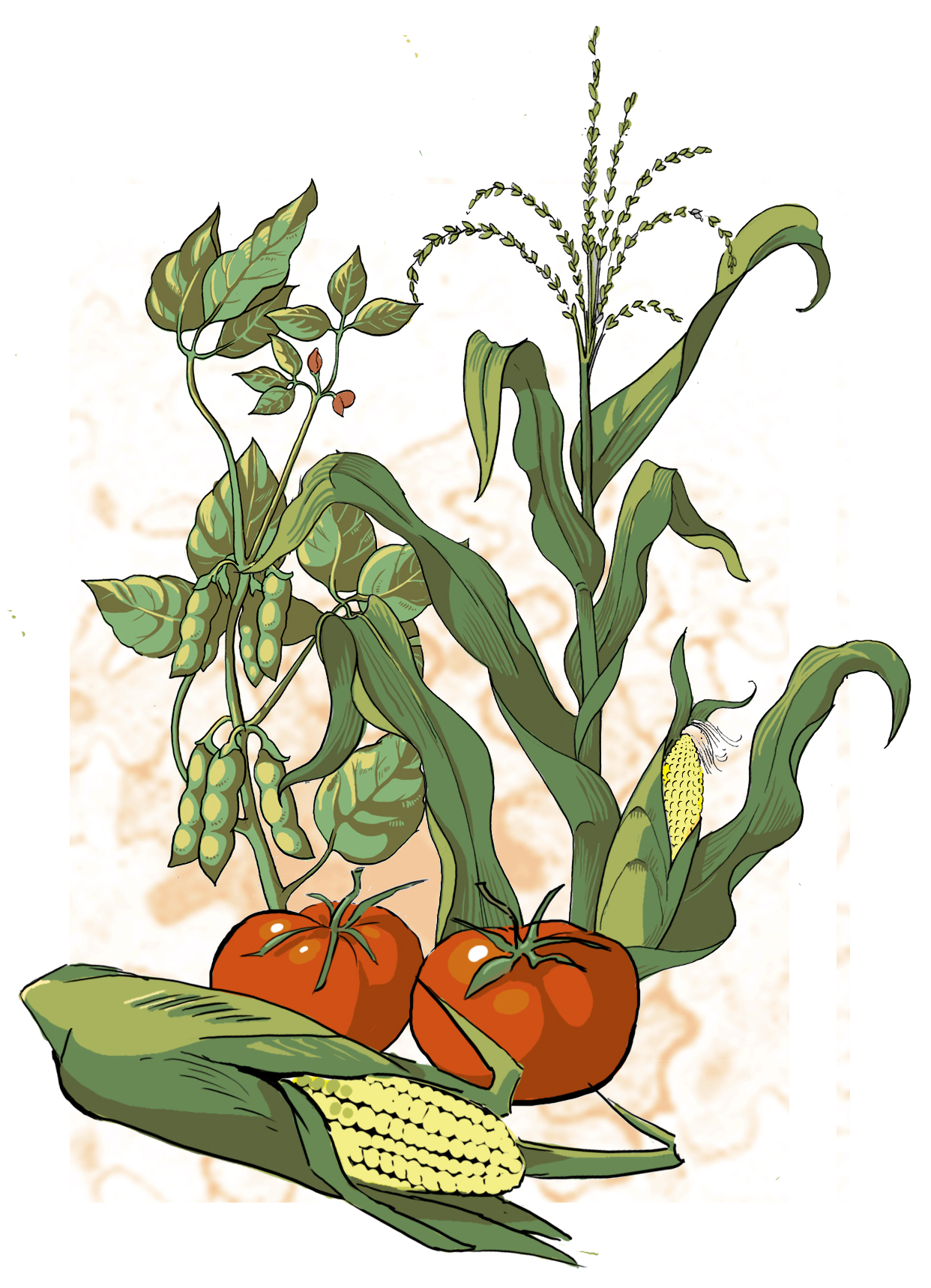
We care about the food we eat. So, what should we know about GMOs?
Three eminent scientists from UC Berkeley present basic scientific principles behind Genetically Modified Organisms and provide the socioeconomic and environmental implications of their use.
Bringing sound expertise to this controversial subject are Professors Patricia Zambryski (Plant & Microbial Biology), Sarah Hake (Plant Development & Plant Architecture), and David Zilberman (Agriculture & Resource Economics). The discussion will be moderated by Robert Jacobsen, Professor of Physics and Interim Dean of Undergraduate Studies.
Speakers
Patricia Zambryski

Patricia Zambryski is Professor of Plant and Microbial Biology and Head Graduate Student Advisor, at UC Berkeley. Professor Zambryski is a Fellow of the American Association for the Advancement of Science and the American Society for Microbiology, and a member of the National Academy of Sciences. She received her BS in Genetics at McGill University and her PhD in Molecular biology at the University of Colorado. She is a molecular, cellular and developmental biologist who studies communication both between and within plant cells, and as such, her lab performances research in these two distinct areas. As plant cells are surrounded by cellulose, they have evolved small channels, called plasmodesmata to span the cellulose in the cell walls and allow communication between individual cells. Within plant cells, the work focuses on how chloroplasts communicate with other parts of the plant cell using microscopic extensions called stromules.
David Zilberman
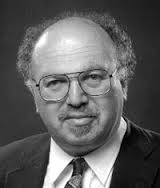
David Zilberman is a Professor and holds the Robinson Chair in the Department of Agriculture and Resource Economics at UC Berkeley. He is also co-director of the Center for Sustainable Resource Development in the campus's College of Natural Resources. He is a fellow of the American Agricultural Economics Association and won the association's Quality of Communication Award and Outstanding Review of Agricultural Economics Article in 2007. His work has been published in a wide range of journals. He received his BA in economics and statistics at Tel Aviv University, Israel, and his PhD at UC Berkeley. Professor Zilberman's areas of expertise include agricultural and environmental policy, biotechnology, bioenergy and climate change, and the economics of innovation, risk, marketing, water, and pest control. He has served as a consultant to the World Bank, the USDA, the Food and Agriculture Organization, the Environmental Protection Agency, Consultative Group on International Agricultural Research and the California Department of Food and Agriculture.
Sarah Hake
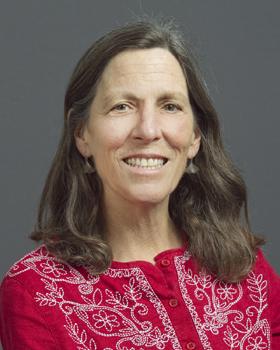
Sarah Hake is Adjunct Professor and Center Director of the USDA Plant Gene Expression Center (PGEC), a collaboration of the Agricultural Research Service of the U.S. Department of Agriculture and the Plant & Microbial Biology Department of the University of California, at UC Berkeley. In September 2013, Professor Hake was inducted into the Agricultural Research Service Science Hall of Fame. A pioneer in plant genomics, she is one of the few women inductees and has made significant contributions to agricultural research. She received her BA in Biology at Grinnell College and her PhD in Plant Biology at Washington University, St. Louis. Her laboratory uses genetics to study plant development. They are interested in identifiying the genes that control plant architecture and determining their mechanism of action. Plant architecture results from activities of meristems, thus the lab has a strong focus on the regulation of meristem activity. They characterize mutants that are affected in vegetative and/or inflorescence shoot meristems. The genes are identified through positional cloning and studied using a battery of molecular techniques. Maize is their model organism, but they often study a gene or trait in other grasses such as Brachypodium and Setaria.
Robert Jacobsen (moderator)
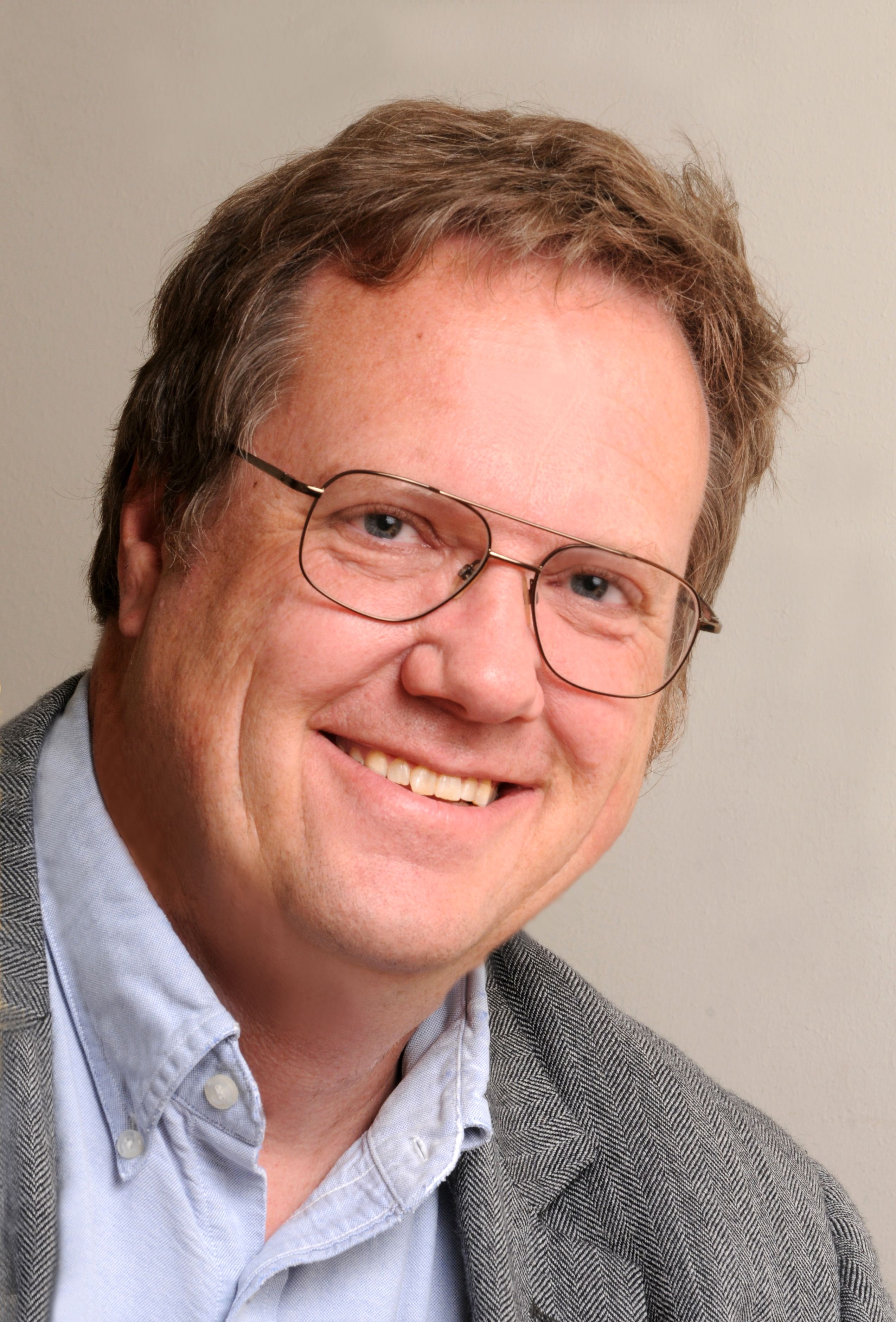
Robert Jacobsen is Professor of Physics and Interim Dean of Undergraduate Studies in the College of Letters & Science, at UC Berkeley. Among his honors at the University are its Distinguished Teaching Award, the Noyce Prize for Excellence in Undergraduate Teaching and the Goldman Award for Distinguished Faculty Advising of Undergraduates. During 2011-12, he was Chair of the Berkeley Division of the Academic Senate, so he has a little experience with attempting to moderate debates over strongly held views. He obtained a B.S.E.E. from MIT and his PhD in Experimental High-Energy Physics from Stanford in 1991. From 1991 through 1994, he was a Scientific Associate and Scientific Staff Member at CERN, the European Laboratory for Nuclear Physics, in Geneva Switzerland. While there, he was a member of the ALEPH collaboration concentrating on B physics and on the energy calibration of the LEP collider. He joined the faculty at Berkeley in 1995. His primary research interest is high energy physics, particularly from the experimental perspective. In the past 10 years the "Standard Model" of high energy physics has begun to yield precise predictions of various quantities. Experimental tests of these predictions are both the way to stress test the theory, hopefully to destruction, and to learn more about the remaining unknown parameters. His current project, the LUX collaboration, is using a detector 4,800 feet underground in the Homestake Mine in South Dakota to study dark matter, which comprises the majority of the Universe, yet is largely unknown.


