The Paleocene-Eocene Thermal Maximum (PETM; 55.8 Ma) is one of the best-studied hyperthermal events. Proxy data indicate large changes in temperature and hydroclimate during the PETM, but the data are sparse and not evenly distributed across Earth, which makes it challenging to infer spatial patterns of change. Here, we use ...
Using unique longitudinal administrative data of close to 6 million workers’ records, we examine how residential mobility within a high-cost housing market may have impacted the effect of Seattle's $15 minimum wage ordinance on low-wage workers. Specifically, we document residential patterns of low-wage Seattle workers and their impacts on commute ...
Digitized data and computational methods have revolutionized the way we understand ourselves, society, and our place in society. On the one hand, this moment has revived calls for a social physics: a social science that can identify the underlying laws that govern social interaction and behavior. On the other hand, ...
Aerosols pose the number one environmental health risk according to WHO. They can be emitted directly into the atmosphere (primary) or formed through atmospheric chemistry processes (secondary). While there is ample observational evidence that the majority of ambient organic aerosol is secondary, we do not yet sufficiently understand the pathways ...
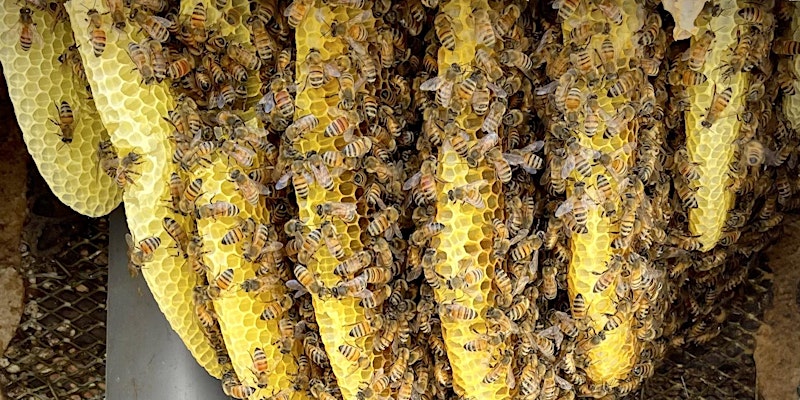
No introduction is needed for Dr. Tom Seeley. Famed Cornell University professor is a Rock Star in apiculture. Understanding Honey Bee behavior is his life work.In this talk, we will look at the zig-zag path of investigation that Karl von Frisch blazed as he deciphered the famous waggle dance of ...
The Universe is magnetic. From stars to galaxies to intergalactic space, magnetic fields thread the cosmos. Our home galaxy, the Milky Way, hosts a magnetic field that helps to shape the interstellar medium: the “stuff between the stars†out of which new stars are born. Join us on a tour ...