
Linking lab and field: Physiological ecology in a new age
Laboratory results can be linked with in situ ecological processes using unique interdisciplinary approaches. Four distinct approaches will be highlighted whose results provide insight on how marine organisms will respond to environmental change in the Anthropocene. First, time series collected by oceanographic sensors paired with manipulative laboratory experiments reveal the role of environmental variability in response of corals to climate change. Second, biogeochemical tools estimate the environmental history of California mussels and together with paired measurements of organismal performance generate a bio-indicator of climate change. Third, a new citizen science framework generates paired datasets of biological and physical parameters that facilitate spatial and temporal comparisons of the relationship between water quality and oyster performance in the Chesapeake Bay. Finally, partnerships with the oyster aquaculture industry enable testing of carry-over effects of environmental history. These interdisciplinary approaches will improve our understanding of consequences of anthropogenic change in estuaries and coastal marine systems.
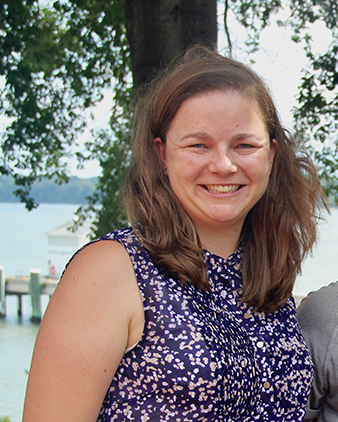
Speaker: Emily Rivist, College of William and Mary
Wednesday, 10/24/18
Contact:
Website: Click to VisitCost:
FreeSave this Event:
iCalendarGoogle Calendar
Yahoo! Calendar
Windows Live Calendar
Monterey Bay Aquarium Research Institute


Moss Landing, CA 95039
US