
Living in the Past: The re-construction of Iron Age living and experiential authenticity
This talk pursues the fashion for re-constructing Iron Age-style roundhouses across Britain. Iron Age houses have been re-constructed since the 1930s, but the main period of interest commenced in the mid- to late-1970s with the creation of the Iron Age Farm at Butser (Hampshire, England) and the broadcasting of the popular TV programme ‘Living in the Past’, which featured a community living in a re-constructed Iro Age village, supposedly for a whole year. Since this time, one or more full-sized Iron Age re-constructed houses have been built at (a minimum of) 65 sites in England, Scotland and Wales (Hingley 2024). This is part of a broader global fashion for re-constructing historic and prehistoric buildings at open-air museums.
The Iron Age has been a particularly popular period for re-constructions in Britain, linking in partly to origin myths that relate to the ‘Celtic’ origins of some of the peoples of the UK. Another strong tradition has established the Iron Age as a powerful model of egalitarian living and sustainable lifestyles which has proved a particularly strong message for education in British schools. The occurrence of roundhouses in pre-colonial and colonial Africa and in the USA also provided a link to draw upon a period of the British past that long predated the development of British imperialism. Alongside the construction of Iron Age roundhouses, approaches to living history have developed to communicate the later prehistoric past to visitors of all ages. In the recent project, Ancient Identities, we have explored this idea of living in the past by developing the concept of experiential authenticity (Hingley, Yarrow and Sharpe 2025).
This paper will review the distribution, history and character of the fashion for re-constructing roundhouses (this is more fully addressed in the Ancient Identities monograph), and address my more recent research into architectural practices that offer to build roundhouses for clients. These buildings are used for educational and domestic purposes and particularly appear to appeal as holiday homes. The impact of the concept of Living in the Iron Age illustrates the considerable impact of archaeological research and the presentation of the ancient past at open-air museums over the past half century.
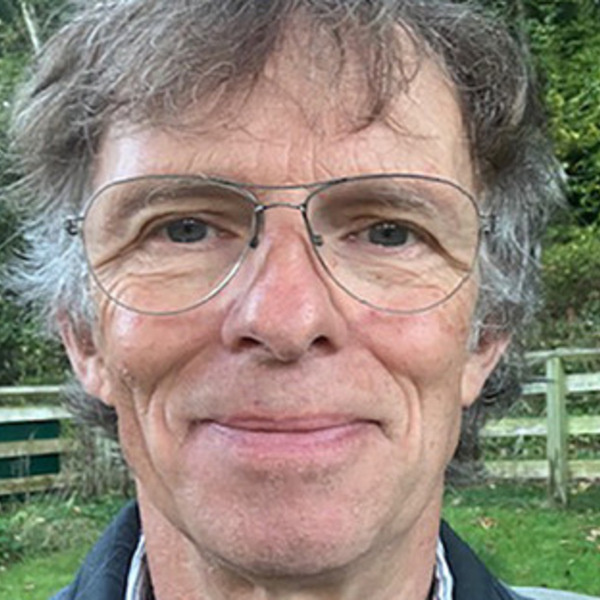
Speaker: Richard Hingley, Durham University, UK
Wednesday, 01/14/26
Contact:
Website: Click to VisitCost:
FreeSave this Event:
iCalendarGoogle Calendar
Yahoo! Calendar
Windows Live Calendar
Archaeology Center (Bldg 500)


Room 106
Stanford, CA 94305
Website: Click to Visit